
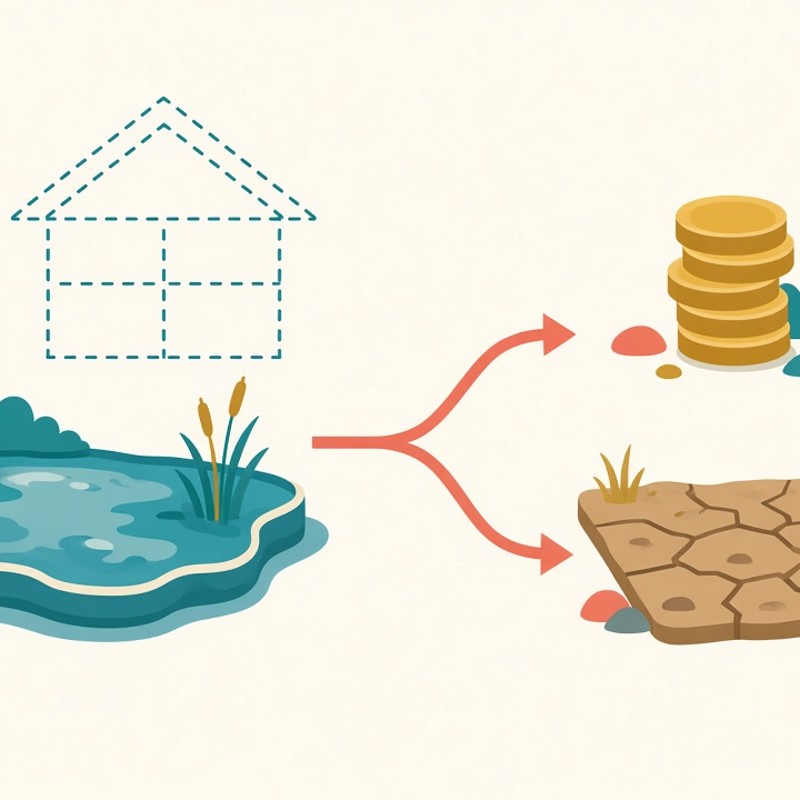
A plot allotted in a government scheme is meant to be ready to build on. Sometimes the authority later admits that a particular plot cannot be built on at all. A Chandigarh consumer commission order on a plot in PUDA's Gateway City scheme in Mohali shows how one forum treated that gap, and who could complain about it. The wider law on development authorities and refund interest explains why the order went the way it did.
The Gateway City order
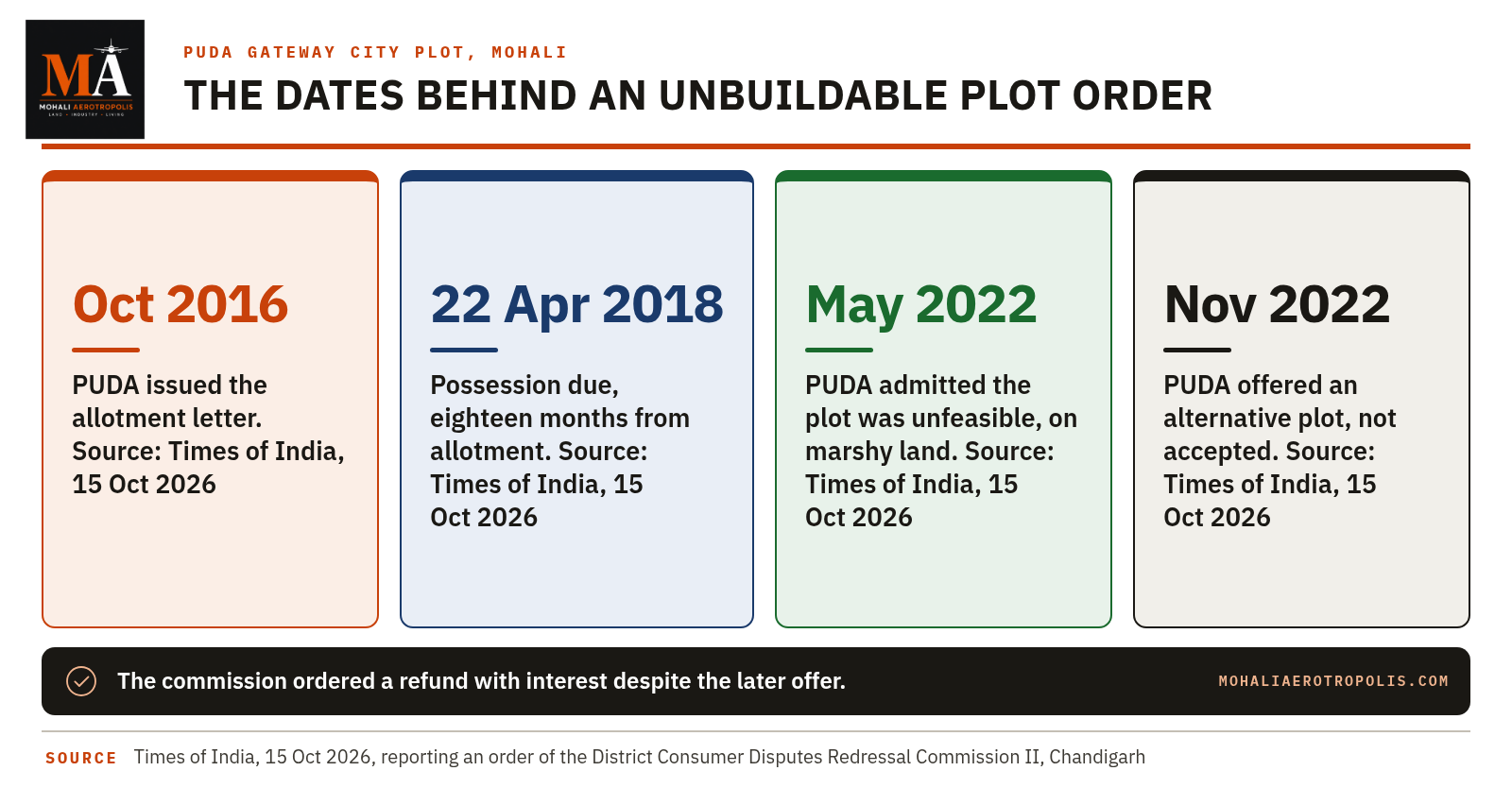
The Times of India reported on the fifteenth of October that District Consumer Disputes Redressal Commission II in Chandigarh directed the Punjab Urban Planning and Development Authority to refund a buyer's money with interest. It also ordered compensation for harassment along with litigation costs.
The plot was in the Gateway City scheme in Mohali. According to the report, the buyer had acquired the allotment rights from an earlier allottee. PUDA later issued the allotment letter. On visiting the site, the buyer found the land unfit for construction and asked for a refund or another plot.
The report says PUDA admitted years later that the plot was unfeasible because it lay on marshy land. It then offered an alternative plot, which the buyer did not accept.
What the commission held
The commission found deficiency in service and unfair trade practice. The report says it noted that possession had been due within a fixed period from allotment and that PUDA had not shown the project was complete or fully cleared.
The order as quoted states: "It is settled law that collecting money from prospective buyers and selling plots/units in the project, without obtaining required licence/approvals/clearances/amended clearance is an unfair trade practice on the part of the project proponent."
Why a development authority answers to a consumer forum
PUDA and GMADA are statutory bodies, and authorities in that position have long argued that allotting land is a public function outside consumer law. The Supreme Court settled that point in Lucknow Development Authority v M K Gupta, decided in November nineteen ninety three. The court said that "when a statutory authority develops land or allots a site or constructs a house for the benefit of common man it is as much service as by a builder or contractor." It added that a person who applies for allotment of a building site is a potential user of that service.
The Consumer Protection Act of two thousand and nineteen keeps that reach. Its definition of service names housing construction and covers service of any description made available to potential users. A deficiency is any fault, imperfection, shortcoming or inadequacy in the performance of a service, and it includes deliberate withholding of relevant information. A plot that turns out to be unusable after allotment fits naturally into that language, which is why the Chandigarh commission could treat the Gateway City allotment as a service at all.
The transferee point
PUDA argued that the buyer had bought the rights on their own, without its involvement. The commission rejected that plea, according to the report. Since PUDA had issued the allotment letter in the buyer's name, the buyer who came in through a transfer was treated as able to bring the complaint.
The planning law behind PUDA and GMADA helps explain why. Section Forty Three of the Punjab Regional and Town Planning and Development Act, nineteen ninety five, lets the authority sell or allot its land "on such terms and conditions as it may, from time to time determine". The same section says a transferee cannot pass on rights in the land without the authority's previous permission until its regulations are met. An allotment letter in a later buyer's name therefore usually reflects the authority's own consent to the transfer. That reading is ours. The report does not say the commission relied on that section.
That matters in Mohali, where allotment rights in authority schemes often change hands before possession. In this case the forum did not let the transfer cut off the buyer's complaint.
Refund or alternative plot
An unfeasible plot leaves the authority with two broad answers. It can offer another plot in place of the one that cannot be used, or it can return the money. In Gateway City the authority offered an alternative plot after admitting the problem. The buyer had asked for either and did not accept the plot offered. The commission ordered a refund with interest.
The Supreme Court has set out how forums usually weigh those two answers. In Bangalore Development Authority v Syndicate Bank, decided in May two thousand and seven, it listed general principles for complaints against development authorities over plots and flats. Where the authority has received the full price and does not deliver possession within the stipulated or a reasonable time, the allottee is entitled to a refund "with reasonable interest thereon from the date of payment to date of refund". Compensation may be added on the facts.
Where an alternative site is offered or delivered at the agreed price because the first plot cannot be delivered, the court said that "ordinarily the allottee will not be entitled to any interest or compensation", since the buyer keeps the benefit of any rise in value. Where the alternative plot is charged at the current market rate, the allottee is entitled to interest on the money paid for the first allotment. Compensation is also possible if the authority had no justifiable reason for the failure.
The report does not say at what price PUDA offered the alternative plot, or whether the commission weighed the offer as a ground to deny the refund. It does say PUDA relied on the buyer's refusal of that offer in its defence, and that the commission still ruled against PUDA. The price and timing of an alternative offer are among the facts that decide which of the Supreme Court's principles a forum applies.
How refund interest is decided
In the consumer forums, interest is a matter for the commission. Section Thirty Nine of the Consumer Protection Act lets a district commission order the return of the price or charges paid "along with such interest on such price or charges as may be decided". The Act fixes no rate. The Bangalore judgment also recorded that the court had already rejected a single uniform interest rate for every delayed allotment. It asked forums to weigh factors such as whether the scheme ran on a no profit no loss basis, whether a delivery date was promised, whether the delay had a justifiable reason and whether the allottee faced avoidable harassment.
Compensation for harassment is a separate head. The Lucknow judgment held that a commission can award a consumer both the value of the service and compensation for the injustice suffered, and that where harassment comes from oppressive or capricious conduct, the authority can be directed to recover the amount from the officers responsible.
Under the RERA Act the position is different. Section Eighteen makes a promoter who fails to give possession of a plot liable, if the allottee wishes to withdraw, to return the amount received "with interest at such rate as may be prescribed". In Punjab, Rule Sixteen of the state RERA rules of two thousand and seventeen ties that rate to the State Bank of India's highest marginal cost of lending rate, plus a fixed margin set in the rule. The rate is formula based, and the regulator does not choose it case by case.
Where RERA fits for authority plots
The RERA Act's definition of promoter expressly includes "any development authority or any other public body" in respect of allottees of plots owned by it. A GMADA or PUDA scheme can therefore fall within the Act, subject to its registration rules for projects that were ongoing when the Act came in. Whether a particular scheme was registered, or needed to be, depends on its own dates and status. The Gateway City report does not say.
The two routes sit side by side. Section Eighty Eight says the RERA Act is in addition to, and not in derogation of, other laws. In Imperia Structures v Anil Patni, decided in November two thousand and twenty, the Supreme Court read that section together with the bar on civil courts and held that a consumer forum can still hear such a complaint. MA's piece on defects after possession covers that judgment in more detail.
The paper trail in a claim like this
Allotment files in GMADA and PUDA schemes run through the Estate Officer of the authority that issued the allotment. The planning Act defines the Estate Officer as the person the authority appoints to perform those functions. GMADA's citizen charter says its Estate Officers handle estate services under a single window system, and GMADA works from PUDA Bhawan in Sector Sixty Two.
The Gateway City order, as reported, turned on documents. The allotment letter in the buyer's name answered the transfer objection. The authority's own written admission that the plot was unfeasible established the defect. The fixed possession period from allotment showed the delay. The later offer of another plot was part of PUDA's defence. A forum hearing a similar complaint would usually look for the same kinds of record, along with proof of each payment.
The planning Act has its own appeal ladder, to the Chief Administrator and then to the state government, but it is written for orders against a transferee who defaults on payment. It does not deal with a plot the authority cannot deliver. For the consumer route, Section Sixty Nine of the Consumer Protection Act requires a complaint within two years from the date the cause of action arose, though a commission can admit a later complaint for sufficient cause and is required to record its reasons. An appeal from a district commission lies to the state commission within forty five days of the order under Section Forty One.
What this order does and does not decide
This is one district commission order known through a press report. The order text was not available to us. PUDA can appeal. It does not settle what every buyer of an unfeasible plot is owed in a GMADA or PUDA scheme, and the terms of each scheme's brochure and allotment letter still apply.
It does show the facts that carried weight in this case. The authority had admitted the plot was unfeasible and possession was long overdue. The allotment letter was also in the buyer's own name. Under the Bangalore principles, those are the facts that usually point towards refund with interest. An alternative plot at the agreed price is the case in which interest is ordinarily not due, and the report does not say whether PUDA's offer was of that kind.
Related reading
- No dues certificate for a GMADA plot transfer: what gets cleared
- When a Mohali builder ignores a consumer commission order: how enforcement works
- Builder delayed possession in Mohali: what RERA Punjab actually awards and how long it really takes
- Defects found after possession of a Mohali flat stay the builder's to fix
Sources: The sources we use are listed on our Editorial Sources page.
This piece describes one reported consumer commission order and the general law around it. Nothing here is legal advice, and any plot turns on its own scheme terms and papers.
सरकारी योजना में आवंटित प्लॉट से उम्मीद होती है कि वह निर्माण के लिए तैयार हो। कभी-कभी प्राधिकरण बाद में स्वीकार करता है कि किसी विशेष प्लॉट पर निर्माण बिल्कुल नहीं हो सकता। मोहाली में PUDA की गेटवे सिटी योजना के एक प्लॉट पर चंडीगढ़ उपभोक्ता आयोग के एक आदेश से पता चलता है कि एक मंच ने उस अंतर को कैसे देखा, और कौन इसकी शिकायत कर सकता था। विकास प्राधिकरणों और रिफंड पर ब्याज से जुड़ा व्यापक कानून बताता है कि आदेश इस दिशा में क्यों गया।
गेटवे सिटी का आदेश
द टाइम्स ऑफ़ इंडिया ने पंद्रह अक्टूबर को बताया कि चंडीगढ़ में जिला उपभोक्ता विवाद निवारण आयोग दो ने पंजाब शहरी नियोजन एवं विकास प्राधिकरण को एक खरीदार का पैसा ब्याज सहित वापस करने का निर्देश दिया। इसने उत्पीड़न के लिए मुआवज़ा और मुकदमेबाज़ी की लागत का भी आदेश दिया।
प्लॉट मोहाली की गेटवे सिटी योजना में था। रिपोर्ट के अनुसार, खरीदार ने आवंटन अधिकार एक पूर्व आवंटी से प्राप्त किए थे। PUDA ने बाद में आवंटन पत्र जारी किया। साइट पर जाने पर खरीदार को भूमि निर्माण के लिए अनुपयुक्त मिली, और उसने रिफंड या दूसरे प्लॉट की मांग की।
रिपोर्ट कहती है कि PUDA ने वर्षों बाद स्वीकार किया कि प्लॉट अव्यवहार्य था, क्योंकि वह दलदली भूमि पर था। इसके बाद उसने एक वैकल्पिक प्लॉट की पेशकश की, जिसे खरीदार ने स्वीकार नहीं किया।
आयोग ने क्या ठहराया
आयोग ने सेवा में कमी और अनुचित व्यापार व्यवहार पाया। रिपोर्ट कहती है कि आयोग ने नोट किया कि कब्ज़ा आवंटन से एक तय अवधि के भीतर देय था, और PUDA यह नहीं दिखा सका कि परियोजना पूरी थी या उसे सभी मंज़ूरियाँ मिली थीं।
रिपोर्ट में उद्धृत आदेश कहता है: "यह स्थापित विधि है कि आवश्यक लाइसेंस, अनुमोदन, मंज़ूरी या संशोधित मंज़ूरी प्राप्त किए बिना संभावित खरीदारों से पैसा वसूलना और परियोजना में प्लॉट या यूनिट बेचना परियोजना प्रस्तावक की ओर से अनुचित व्यापार व्यवहार है।"
विकास प्राधिकरण उपभोक्ता मंच के प्रति जवाबदेह क्यों है
PUDA और GMADA वैधानिक संस्थाएँ हैं, और ऐसी संस्थाएँ लंबे समय से यह तर्क देती रही हैं कि ज़मीन का आवंटन एक सार्वजनिक कार्य है जो उपभोक्ता कानून के दायरे से बाहर है। सर्वोच्च न्यायालय ने यह प्रश्न लखनऊ डेवलपमेंट अथॉरिटी बनाम एम के गुप्ता में तय किया, जिसका फैसला नवंबर उन्नीस सौ तिरानवे में हुआ। न्यायालय ने कहा कि "जब कोई वैधानिक प्राधिकरण आम आदमी के लाभ के लिए भूमि विकसित करता है या साइट आवंटित करता है या मकान बनाता है, तो यह उतनी ही सेवा है जितनी किसी बिल्डर या ठेकेदार द्वारा"। न्यायालय ने यह भी कहा कि बिल्डिंग साइट के आवंटन के लिए आवेदन करने वाला व्यक्ति उस सेवा का संभावित उपयोगकर्ता है।
उपभोक्ता संरक्षण अधिनियम, दो हज़ार उन्नीस यह दायरा बनाए रखता है। इसकी सेवा की परिभाषा में आवास निर्माण का नाम है, और यह संभावित उपयोगकर्ताओं को उपलब्ध कराई गई किसी भी प्रकार की सेवा को कवर करती है। कमी का अर्थ है किसी सेवा के निष्पादन में कोई दोष, अपूर्णता, कमी या अपर्याप्तता, और इसमें प्रासंगिक जानकारी को जानबूझकर रोकना भी शामिल है। आवंटन के बाद अनुपयोगी निकलने वाला प्लॉट इस भाषा में स्वाभाविक रूप से आता है, और इसी कारण चंडीगढ़ आयोग गेटवे सिटी आवंटन को सेवा मान सका।
अंतरिती का बिंदु
PUDA ने तर्क दिया कि खरीदार ने अधिकार अपने आप, उसकी भागीदारी के बिना खरीदे थे। रिपोर्ट के अनुसार, आयोग ने यह दलील खारिज कर दी। चूँकि PUDA ने खरीदार के नाम पर आवंटन पत्र जारी किया था, अंतरण के ज़रिए आए खरीदार को शिकायत लाने में सक्षम माना गया।
PUDA और GMADA के पीछे का नियोजन कानून इसकी वजह समझाने में मदद करता है। पंजाब क्षेत्रीय और नगर नियोजन तथा विकास अधिनियम, उन्नीस सौ पंचानवे की धारा तैंतालीस प्राधिकरण को अपनी भूमि "on such terms and conditions as it may, from time to time determine", यानी ऐसे निबंधनों और शर्तों पर जो वह समय-समय पर तय करे, बेचने या आवंटित करने की अनुमति देती है। यही धारा कहती है कि जब तक प्राधिकरण के विनियमों की शर्तें पूरी न हों, अंतरिती प्राधिकरण की पूर्व अनुमति के बिना भूमि में अपने अधिकार आगे नहीं दे सकता। इसलिए बाद के खरीदार के नाम पर जारी आवंटन पत्र आमतौर पर अंतरण के लिए प्राधिकरण की अपनी सहमति को दर्शाता है। यह व्याख्या हमारी है। रिपोर्ट यह नहीं कहती कि आयोग ने उस धारा पर भरोसा किया।
यह मोहाली में मायने रखता है, जहाँ प्राधिकरण योजनाओं में आवंटन अधिकार अक्सर कब्ज़े से पहले हाथ बदलते हैं। इस मामले में मंच ने अंतरण को खरीदार की शिकायत खत्म करने नहीं दिया।
रिफंड या वैकल्पिक प्लॉट
एक अव्यवहार्य प्लॉट प्राधिकरण के पास दो व्यापक उत्तर छोड़ता है। वह उस प्लॉट के बदले, जिसका उपयोग नहीं हो सकता, दूसरा प्लॉट दे सकता है, या पैसा वापस कर सकता है। गेटवे सिटी में प्राधिकरण ने समस्या स्वीकार करने के बाद वैकल्पिक प्लॉट की पेशकश की। खरीदार ने दोनों में से कोई एक माँगा था और पेश किया गया प्लॉट स्वीकार नहीं किया। आयोग ने ब्याज सहित रिफंड का आदेश दिया।
सर्वोच्च न्यायालय ने बताया है कि मंच आमतौर पर इन दो उत्तरों को कैसे तौलते हैं। बैंगलोर डेवलपमेंट अथॉरिटी बनाम सिंडिकेट बैंक में, जिसका फैसला मई दो हज़ार सात में हुआ, न्यायालय ने प्लॉट और फ्लैट को लेकर विकास प्राधिकरणों के विरुद्ध शिकायतों के लिए सामान्य सिद्धांत दिए। जहाँ प्राधिकरण ने पूरी कीमत ले ली हो और तय समय या उचित समय के भीतर कब्ज़ा न दे, वहाँ आवंटी "भुगतान की तारीख से रिफंड की तारीख तक उचित ब्याज सहित" रिफंड का हकदार है। तथ्यों के आधार पर मुआवज़ा भी जोड़ा जा सकता है।
जहाँ पहला प्लॉट न दे पाने के कारण वैकल्पिक साइट तय कीमत पर पेश की जाए या दी जाए, वहाँ न्यायालय ने कहा कि "सामान्यतः आवंटी किसी ब्याज या मुआवज़े का हकदार नहीं होगा", क्योंकि मूल्य में किसी भी बढ़ोतरी का लाभ खरीदार के पास रहता है। जहाँ वैकल्पिक प्लॉट मौजूदा बाज़ार दर पर दिया जाए, वहाँ आवंटी पहले आवंटन के लिए दिए गए पैसे पर ब्याज का हकदार है। अगर प्राधिकरण के पास विफलता का कोई उचित कारण न हो, तो मुआवज़ा भी संभव है।
रिपोर्ट यह नहीं बताती कि PUDA ने वैकल्पिक प्लॉट किस कीमत पर पेश किया, या आयोग ने उस पेशकश को रिफंड से इनकार का आधार माना या नहीं। वह यह ज़रूर कहती है कि PUDA ने अपने बचाव में खरीदार द्वारा उस पेशकश को ठुकराने पर भरोसा किया, और आयोग ने फिर भी PUDA के विरुद्ध फैसला दिया। वैकल्पिक पेशकश की कीमत और समय उन तथ्यों में से हैं जो तय करते हैं कि मंच सर्वोच्च न्यायालय का कौन-सा सिद्धांत लागू करेगा।
रिफंड पर ब्याज कैसे तय होता है
उपभोक्ता मंचों में ब्याज आयोग का विषय है। उपभोक्ता संरक्षण अधिनियम की धारा उनतालीस जिला आयोग को दी गई कीमत या शुल्क लौटाने का आदेश देने देती है, "along with such interest on such price or charges as may be decided", यानी उस कीमत या शुल्क पर ऐसे ब्याज के साथ जो तय किया जाए। अधिनियम कोई दर तय नहीं करता। बैंगलोर फैसले में यह भी दर्ज है कि न्यायालय हर विलंबित आवंटन के लिए एक समान ब्याज दर को पहले ही खारिज कर चुका था। उसने मंचों से ऐसे कारकों को तौलने को कहा, जैसे कि योजना न लाभ न हानि के आधार पर चली या नहीं, कब्ज़े की कोई तारीख का वादा किया गया था या नहीं, देरी का कोई उचित कारण था या नहीं, और आवंटी को टाले जा सकने वाले उत्पीड़न का सामना करना पड़ा या नहीं।
उत्पीड़न के लिए मुआवज़ा एक अलग मद है। लखनऊ फैसले ने कहा कि आयोग उपभोक्ता को सेवा का मूल्य और हुए अन्याय के लिए मुआवज़ा, दोनों दे सकता है, और जहाँ उत्पीड़न दमनकारी या मनमाने आचरण से हुआ हो, वहाँ प्राधिकरण को यह राशि ज़िम्मेदार अधिकारियों से वसूलने का निर्देश दिया जा सकता है।
RERA अधिनियम के तहत स्थिति अलग है। धारा अठारह के अनुसार जो प्रमोटर प्लॉट का कब्ज़ा देने में विफल रहे, वह आवंटी के परियोजना से हटना चाहने पर प्राप्त राशि "with interest at such rate as may be prescribed", यानी ऐसी दर पर ब्याज सहित जो निर्धारित की जाए, लौटाने के लिए उत्तरदायी है। पंजाब में, दो हज़ार सत्रह के राज्य RERA नियमों का नियम सोलह इस दर को भारतीय स्टेट बैंक की उच्चतम मार्जिनल कॉस्ट ऑफ लेंडिंग रेट और नियम में तय एक निश्चित मार्जिन से जोड़ता है। यह दर एक सूत्र से निकलती है, और नियामक इसे हर मामले में अलग से नहीं चुनता।
प्राधिकरण के प्लॉट पर RERA कहाँ लागू होता है
RERA अधिनियम में प्रमोटर की परिभाषा में स्पष्ट रूप से "any development authority or any other public body", यानी कोई भी विकास प्राधिकरण या कोई अन्य सार्वजनिक निकाय, शामिल है, उसके स्वामित्व वाले प्लॉटों के आवंटियों के संबंध में। इसलिए GMADA या PUDA की योजना इस अधिनियम के दायरे में आ सकती है, उन परियोजनाओं के पंजीकरण नियमों के अधीन जो अधिनियम लागू होने के समय चल रही थीं। कोई विशेष योजना पंजीकृत थी या उसे होना था, यह उसकी अपनी तारीखों और स्थिति पर निर्भर करता है। गेटवे सिटी की रिपोर्ट यह नहीं बताती।
दोनों रास्ते साथ-साथ चलते हैं। धारा अट्ठासी कहती है कि RERA अधिनियम अन्य कानूनों के अतिरिक्त है, उनका अल्पीकरण नहीं। इम्पीरिया स्ट्रक्चर्स बनाम अनिल पटनी में, जिसका फैसला नवंबर दो हज़ार बीस में हुआ, सर्वोच्च न्यायालय ने उस धारा को सिविल अदालतों पर लगी रोक के साथ पढ़ा और कहा कि उपभोक्ता मंच ऐसी शिकायत अब भी सुन सकता है। कब्ज़े के बाद मिले दोषों पर MA का लेख उस फैसले को विस्तार से बताता है।
ऐसे दावे में कागज़ी रिकॉर्ड
GMADA और PUDA योजनाओं की आवंटन फाइलें उस प्राधिकरण के संपदा अधिकारी के पास चलती हैं जिसने आवंटन किया। नियोजन अधिनियम संपदा अधिकारी को वह व्यक्ति बताता है जिसे प्राधिकरण इन कार्यों के लिए नियुक्त करता है। GMADA का नागरिक चार्टर कहता है कि उसके संपदा अधिकारी सिंगल विंडो व्यवस्था के तहत संपदा सेवाएँ देते हैं, और GMADA का कार्यालय सेक्टर बासठ में PUDA भवन में है।
रिपोर्ट के अनुसार गेटवे सिटी का आदेश दस्तावेज़ों पर टिका था। खरीदार के नाम पर आवंटन पत्र ने अंतरण वाली आपत्ति का जवाब दिया। प्लॉट के अव्यवहार्य होने की प्राधिकरण की अपनी लिखित स्वीकृति से दोष साबित हुआ। आवंटन से तय कब्ज़ा अवधि ने देरी दिखाई। बाद में दूसरे प्लॉट की पेशकश PUDA के बचाव का हिस्सा थी। ऐसी ही शिकायत सुनने वाला मंच आमतौर पर इसी तरह के रिकॉर्ड देखेगा, साथ में हर भुगतान का प्रमाण भी।
नियोजन अधिनियम में अपनी अपील की सीढ़ी है, पहले मुख्य प्रशासक और फिर राज्य सरकार तक, लेकिन वह भुगतान में चूक करने वाले अंतरिती के विरुद्ध आदेशों के लिए लिखी गई है। वह उस प्लॉट से नहीं जुड़ती जिसे प्राधिकरण दे ही नहीं सकता। उपभोक्ता रास्ते के लिए, उपभोक्ता संरक्षण अधिनियम की धारा उनहत्तर के अनुसार शिकायत वाद-कारण उत्पन्न होने की तारीख से दो साल के भीतर होनी चाहिए, हालाँकि आयोग पर्याप्त कारण होने पर बाद की शिकायत भी स्वीकार कर सकता है और उसे अपने कारण दर्ज करने होते हैं। धारा इकतालीस के तहत जिला आयोग के आदेश के विरुद्ध अपील आदेश की तारीख से पैंतालीस दिनों के भीतर राज्य आयोग में होती है।
यह आदेश क्या तय करता है और क्या नहीं
यह एक जिला आयोग का आदेश है जो एक प्रेस रिपोर्ट के माध्यम से ज्ञात है। आदेश का पाठ हमें उपलब्ध नहीं था। PUDA अपील कर सकता है। यह तय नहीं करता कि GMADA या PUDA योजना में अव्यवहार्य प्लॉट के हर खरीदार को क्या मिलना चाहिए, और हर योजना के ब्रोशर और आवंटन पत्र की शर्तें अब भी लागू होती हैं।
यह उन तथ्यों को ज़रूर दिखाता है जिनका इस मामले में वज़न था। प्राधिकरण ने स्वीकार किया था कि प्लॉट अव्यवहार्य था, और कब्ज़ा लंबे समय से बकाया था। आवंटन पत्र भी खरीदार के अपने नाम पर था। बैंगलोर सिद्धांतों के तहत, यही वे तथ्य हैं जो आमतौर पर ब्याज सहित रिफंड की ओर ले जाते हैं। तय कीमत पर वैकल्पिक प्लॉट वह स्थिति है जिसमें ब्याज सामान्यतः देय नहीं होता, और रिपोर्ट यह नहीं बताती कि PUDA की पेशकश उस तरह की थी या नहीं।
संबंधित पठन
- GMADA प्लॉट ट्रांसफर के लिए नो ड्यूज़ सर्टिफिकेट: क्या-क्या क्लियर होता है
- जब मोहाली का बिल्डर उपभोक्ता आयोग के आदेश को अनदेखा करे: प्रवर्तन कैसे काम करता है
- मोहाली में बिल्डर ने कब्ज़े में देरी की: RERA पंजाब वास्तव में क्या देता है और इसमें कितना समय लगता है
- मोहाली फ्लैट में कब्ज़े के बाद मिले दोष ठीक करना बिल्डर की ज़िम्मेदारी रहती है
स्रोत: हम जिन स्रोतों का उपयोग करते हैं, वे हमारे संपादकीय स्रोत पृष्ठ पर सूचीबद्ध हैं।
यह लेख एक रिपोर्ट किए गए उपभोक्ता आयोग के आदेश और उसके आसपास के सामान्य कानून का वर्णन करता है। यहाँ कुछ भी कानूनी सलाह नहीं है, और कोई भी प्लॉट अपनी योजना की शर्तों और अपने कागज़ातों पर निर्भर करता है।
ਸਰਕਾਰੀ ਸਕੀਮ ਵਿੱਚ ਅਲਾਟ ਕੀਤੇ ਪਲਾਟ ਤੋਂ ਉਮੀਦ ਹੁੰਦੀ ਹੈ ਕਿ ਉਹ ਉਸਾਰੀ ਲਈ ਤਿਆਰ ਹੋਵੇ। ਕਈ ਵਾਰ ਅਥਾਰਟੀ ਬਾਅਦ ਵਿੱਚ ਮੰਨ ਲੈਂਦੀ ਹੈ ਕਿ ਕਿਸੇ ਖ਼ਾਸ ਪਲਾਟ ਉੱਤੇ ਉਸਾਰੀ ਬਿਲਕੁਲ ਨਹੀਂ ਹੋ ਸਕਦੀ। ਮੋਹਾਲੀ ਵਿੱਚ PUDA ਦੀ ਗੇਟਵੇ ਸਿਟੀ ਸਕੀਮ ਦੇ ਇੱਕ ਪਲਾਟ ਬਾਰੇ ਚੰਡੀਗੜ੍ਹ ਕੰਜ਼ਿਊਮਰ ਕਮਿਸ਼ਨ ਦਾ ਇੱਕ ਹੁਕਮ ਦਿਖਾਉਂਦਾ ਹੈ ਕਿ ਇੱਕ ਫੋਰਮ ਨੇ ਇਸ ਪਾੜੇ ਨੂੰ ਕਿਵੇਂ ਦੇਖਿਆ, ਅਤੇ ਇਸ ਬਾਰੇ ਸ਼ਿਕਾਇਤ ਕੌਣ ਕਰ ਸਕਦਾ ਸੀ। ਵਿਕਾਸ ਅਥਾਰਟੀਆਂ ਅਤੇ ਰਿਫੰਡ ਉੱਤੇ ਵਿਆਜ ਨਾਲ ਜੁੜਿਆ ਵਿਆਪਕ ਕਾਨੂੰਨ ਦੱਸਦਾ ਹੈ ਕਿ ਹੁਕਮ ਇਸ ਪਾਸੇ ਕਿਉਂ ਗਿਆ।
ਗੇਟਵੇ ਸਿਟੀ ਦਾ ਹੁਕਮ
ਟਾਈਮਜ਼ ਆਫ਼ ਇੰਡੀਆ ਨੇ ਪੰਦਰਾਂ ਅਕਤੂਬਰ ਨੂੰ ਰਿਪੋਰਟ ਦਿੱਤੀ ਕਿ ਚੰਡੀਗੜ੍ਹ ਵਿੱਚ ਜ਼ਿਲ੍ਹਾ ਖਪਤਕਾਰ ਝਗੜਾ ਨਿਵਾਰਣ ਕਮਿਸ਼ਨ ਦੋ ਨੇ ਪੰਜਾਬ ਸ਼ਹਿਰੀ ਯੋਜਨਾ ਅਤੇ ਵਿਕਾਸ ਅਥਾਰਟੀ ਨੂੰ ਹਦਾਇਤ ਦਿੱਤੀ ਕਿ ਉਹ ਇੱਕ ਖਰੀਦਦਾਰ ਦਾ ਪੈਸਾ ਵਿਆਜ ਸਮੇਤ ਵਾਪਸ ਕਰੇ। ਇਸ ਨੇ ਪਰੇਸ਼ਾਨੀ ਲਈ ਮੁਆਵਜ਼ਾ ਅਤੇ ਮੁਕੱਦਮੇਬਾਜ਼ੀ ਦੇ ਖਰਚੇ ਦੇਣ ਦਾ ਹੁਕਮ ਵੀ ਦਿੱਤਾ।
ਪਲਾਟ ਮੋਹਾਲੀ ਦੀ ਗੇਟਵੇ ਸਿਟੀ ਸਕੀਮ ਵਿੱਚ ਸੀ। ਰਿਪੋਰਟ ਅਨੁਸਾਰ, ਖਰੀਦਦਾਰ ਨੇ ਅਲਾਟਮੈਂਟ ਦੇ ਹੱਕ ਪਹਿਲੇ ਅਲਾਟੀ ਤੋਂ ਹਾਸਲ ਕੀਤੇ ਸਨ। PUDA ਨੇ ਬਾਅਦ ਵਿੱਚ ਅਲਾਟਮੈਂਟ ਲੈਟਰ ਜਾਰੀ ਕੀਤਾ। ਸਾਈਟ ਦੇਖਣ 'ਤੇ ਖਰੀਦਦਾਰ ਨੂੰ ਜ਼ਮੀਨ ਉਸਾਰੀ ਲਈ ਅਣਉਚਿਤ ਮਿਲੀ, ਅਤੇ ਉਸ ਨੇ ਰਿਫੰਡ ਜਾਂ ਹੋਰ ਪਲਾਟ ਮੰਗਿਆ।
ਰਿਪੋਰਟ ਕਹਿੰਦੀ ਹੈ ਕਿ PUDA ਨੇ ਸਾਲਾਂ ਬਾਅਦ ਮੰਨਿਆ ਕਿ ਪਲਾਟ ਗੈਰ-ਵਿਹਾਰਕ ਸੀ, ਕਿਉਂਕਿ ਇਹ ਦਲਦਲ ਵਾਲੀ ਜ਼ਮੀਨ 'ਤੇ ਸੀ। ਫਿਰ ਇਸ ਨੇ ਇੱਕ ਬਦਲਵਾਂ ਪਲਾਟ ਪੇਸ਼ ਕੀਤਾ, ਜੋ ਖਰੀਦਦਾਰ ਨੇ ਸਵੀਕਾਰ ਨਹੀਂ ਕੀਤਾ।
ਕਮਿਸ਼ਨ ਨੇ ਕੀ ਫੈਸਲਾ ਦਿੱਤਾ
ਕਮਿਸ਼ਨ ਨੇ ਸੇਵਾ ਵਿੱਚ ਕਮੀ ਅਤੇ ਅਣਜਾਇਜ਼ ਵਪਾਰਕ ਅਭਿਆਸ ਪਾਇਆ। ਰਿਪੋਰਟ ਕਹਿੰਦੀ ਹੈ ਕਿ ਕਮਿਸ਼ਨ ਨੇ ਨੋਟ ਕੀਤਾ ਕਿ ਕਬਜ਼ਾ ਅਲਾਟਮੈਂਟ ਤੋਂ ਇੱਕ ਨਿਸ਼ਚਿਤ ਸਮੇਂ ਦੇ ਅੰਦਰ ਦੇਣਾ ਸੀ, ਅਤੇ PUDA ਇਹ ਨਹੀਂ ਦਿਖਾ ਸਕੀ ਕਿ ਪ੍ਰੋਜੈਕਟ ਪੂਰਾ ਸੀ ਜਾਂ ਉਸ ਨੂੰ ਸਾਰੀਆਂ ਮਨਜ਼ੂਰੀਆਂ ਮਿਲੀਆਂ ਸਨ।
ਰਿਪੋਰਟ ਵਿੱਚ ਹਵਾਲਾ ਦਿੱਤਾ ਹੁਕਮ ਕਹਿੰਦਾ ਹੈ: "ਇਹ ਸਥਾਪਿਤ ਕਾਨੂੰਨ ਹੈ ਕਿ ਲੋੜੀਂਦੇ ਲਾਇਸੰਸ, ਮਨਜ਼ੂਰੀਆਂ, ਕਲੀਅਰੈਂਸ ਜਾਂ ਸੋਧੀ ਕਲੀਅਰੈਂਸ ਪ੍ਰਾਪਤ ਕੀਤੇ ਬਿਨਾਂ ਸੰਭਾਵੀ ਖਰੀਦਦਾਰਾਂ ਤੋਂ ਪੈਸਾ ਇਕੱਠਾ ਕਰਨਾ ਅਤੇ ਪ੍ਰੋਜੈਕਟ ਵਿੱਚ ਪਲਾਟ ਜਾਂ ਯੂਨਿਟ ਵੇਚਣਾ ਪ੍ਰੋਜੈਕਟ ਪ੍ਰਸਤਾਵਕ ਵੱਲੋਂ ਅਣਜਾਇਜ਼ ਵਪਾਰਕ ਅਭਿਆਸ ਹੈ।"
ਵਿਕਾਸ ਅਥਾਰਟੀ ਕੰਜ਼ਿਊਮਰ ਫੋਰਮ ਅੱਗੇ ਜਵਾਬਦੇਹ ਕਿਉਂ ਹੈ
PUDA ਅਤੇ GMADA ਕਾਨੂੰਨੀ ਸੰਸਥਾਵਾਂ ਹਨ, ਅਤੇ ਅਜਿਹੀਆਂ ਸੰਸਥਾਵਾਂ ਲੰਮੇ ਸਮੇਂ ਤੋਂ ਇਹ ਦਲੀਲ ਦਿੰਦੀਆਂ ਆਈਆਂ ਹਨ ਕਿ ਜ਼ਮੀਨ ਦੀ ਅਲਾਟਮੈਂਟ ਇੱਕ ਜਨਤਕ ਕੰਮ ਹੈ ਜੋ ਕੰਜ਼ਿਊਮਰ ਕਾਨੂੰਨ ਦੇ ਘੇਰੇ ਤੋਂ ਬਾਹਰ ਹੈ। ਸੁਪਰੀਮ ਕੋਰਟ ਨੇ ਇਹ ਸਵਾਲ ਲਖਨਊ ਡਿਵੈਲਪਮੈਂਟ ਅਥਾਰਟੀ ਬਨਾਮ ਐੱਮ ਕੇ ਗੁਪਤਾ ਵਿੱਚ ਤੈਅ ਕੀਤਾ, ਜਿਸ ਦਾ ਫੈਸਲਾ ਨਵੰਬਰ ਉੱਨੀ ਸੌ ਤਰਾਨਵੇਂ ਵਿੱਚ ਹੋਇਆ। ਅਦਾਲਤ ਨੇ ਕਿਹਾ ਕਿ "ਜਦੋਂ ਕੋਈ ਕਾਨੂੰਨੀ ਅਥਾਰਟੀ ਆਮ ਆਦਮੀ ਦੇ ਲਾਭ ਲਈ ਜ਼ਮੀਨ ਵਿਕਸਿਤ ਕਰਦੀ ਹੈ ਜਾਂ ਸਾਈਟ ਅਲਾਟ ਕਰਦੀ ਹੈ ਜਾਂ ਮਕਾਨ ਬਣਾਉਂਦੀ ਹੈ, ਤਾਂ ਇਹ ਓਨੀ ਹੀ ਸੇਵਾ ਹੈ ਜਿੰਨੀ ਕਿਸੇ ਬਿਲਡਰ ਜਾਂ ਠੇਕੇਦਾਰ ਵੱਲੋਂ"। ਅਦਾਲਤ ਨੇ ਇਹ ਵੀ ਕਿਹਾ ਕਿ ਬਿਲਡਿੰਗ ਸਾਈਟ ਦੀ ਅਲਾਟਮੈਂਟ ਲਈ ਅਰਜ਼ੀ ਦੇਣ ਵਾਲਾ ਵਿਅਕਤੀ ਉਸ ਸੇਵਾ ਦਾ ਸੰਭਾਵੀ ਵਰਤੋਂਕਾਰ ਹੈ।
ਕੰਜ਼ਿਊਮਰ ਪ੍ਰੋਟੈਕਸ਼ਨ ਐਕਟ, ਦੋ ਹਜ਼ਾਰ ਉੱਨੀ ਇਹ ਘੇਰਾ ਕਾਇਮ ਰੱਖਦਾ ਹੈ। ਇਸ ਦੀ ਸੇਵਾ ਦੀ ਪਰਿਭਾਸ਼ਾ ਵਿੱਚ ਮਕਾਨ ਉਸਾਰੀ ਦਾ ਨਾਮ ਹੈ, ਅਤੇ ਇਹ ਸੰਭਾਵੀ ਵਰਤੋਂਕਾਰਾਂ ਨੂੰ ਉਪਲਬਧ ਕਰਵਾਈ ਕਿਸੇ ਵੀ ਕਿਸਮ ਦੀ ਸੇਵਾ ਨੂੰ ਕਵਰ ਕਰਦੀ ਹੈ। ਕਮੀ ਦਾ ਅਰਥ ਹੈ ਕਿਸੇ ਸੇਵਾ ਦੇ ਨਿਭਾਉਣ ਵਿੱਚ ਕੋਈ ਨੁਕਸ, ਅਧੂਰਾਪਣ, ਘਾਟ ਜਾਂ ਨਾਕਾਫ਼ੀਪਣ, ਅਤੇ ਇਸ ਵਿੱਚ ਸੰਬੰਧਿਤ ਜਾਣਕਾਰੀ ਨੂੰ ਜਾਣਬੁੱਝ ਕੇ ਰੋਕਣਾ ਵੀ ਸ਼ਾਮਲ ਹੈ। ਅਲਾਟਮੈਂਟ ਤੋਂ ਬਾਅਦ ਵਰਤੋਂ ਯੋਗ ਨਾ ਨਿਕਲਣ ਵਾਲਾ ਪਲਾਟ ਇਸ ਭਾਸ਼ਾ ਵਿੱਚ ਕੁਦਰਤੀ ਤੌਰ 'ਤੇ ਆਉਂਦਾ ਹੈ, ਅਤੇ ਇਸੇ ਕਰਕੇ ਚੰਡੀਗੜ੍ਹ ਕਮਿਸ਼ਨ ਗੇਟਵੇ ਸਿਟੀ ਅਲਾਟਮੈਂਟ ਨੂੰ ਸੇਵਾ ਮੰਨ ਸਕਿਆ।
ਟਰਾਂਸਫ਼ਰੀ ਦਾ ਮੁੱਦਾ
PUDA ਨੇ ਦਲੀਲ ਦਿੱਤੀ ਕਿ ਖਰੀਦਦਾਰ ਨੇ ਹੱਕ ਆਪਣੇ ਆਪ, ਇਸ ਦੀ ਸ਼ਮੂਲੀਅਤ ਤੋਂ ਬਿਨਾਂ ਖਰੀਦੇ ਸਨ। ਰਿਪੋਰਟ ਅਨੁਸਾਰ, ਕਮਿਸ਼ਨ ਨੇ ਇਹ ਦਲੀਲ ਖਾਰਜ ਕਰ ਦਿੱਤੀ। ਕਿਉਂਕਿ PUDA ਨੇ ਖਰੀਦਦਾਰ ਦੇ ਨਾਮ 'ਤੇ ਅਲਾਟਮੈਂਟ ਲੈਟਰ ਜਾਰੀ ਕੀਤਾ ਸੀ, ਟਰਾਂਸਫ਼ਰ ਰਾਹੀਂ ਆਏ ਖਰੀਦਦਾਰ ਨੂੰ ਸ਼ਿਕਾਇਤ ਲਿਆਉਣ ਦੇ ਯੋਗ ਮੰਨਿਆ ਗਿਆ।
PUDA ਅਤੇ GMADA ਦੇ ਪਿੱਛੇ ਦਾ ਯੋਜਨਾ ਕਾਨੂੰਨ ਇਸ ਦਾ ਕਾਰਨ ਸਮਝਣ ਵਿੱਚ ਮਦਦ ਕਰਦਾ ਹੈ। ਪੰਜਾਬ ਰੀਜਨਲ ਐਂਡ ਟਾਊਨ ਪਲਾਨਿੰਗ ਐਂਡ ਡਿਵੈਲਪਮੈਂਟ ਐਕਟ, ਉੱਨੀ ਸੌ ਪਚਾਨਵੇਂ ਦੀ ਧਾਰਾ ਤਰਤਾਲੀ ਅਥਾਰਟੀ ਨੂੰ ਆਪਣੀ ਜ਼ਮੀਨ "on such terms and conditions as it may, from time to time determine", ਭਾਵ ਅਜਿਹੀਆਂ ਸ਼ਰਤਾਂ ਅਤੇ ਬੰਦਸ਼ਾਂ 'ਤੇ ਜੋ ਉਹ ਸਮੇਂ-ਸਮੇਂ ਤੈਅ ਕਰੇ, ਵੇਚਣ ਜਾਂ ਅਲਾਟ ਕਰਨ ਦੀ ਇਜਾਜ਼ਤ ਦਿੰਦੀ ਹੈ। ਇਹੀ ਧਾਰਾ ਕਹਿੰਦੀ ਹੈ ਕਿ ਜਦੋਂ ਤੱਕ ਅਥਾਰਟੀ ਦੇ ਨਿਯਮਾਂ ਦੀਆਂ ਸ਼ਰਤਾਂ ਪੂਰੀਆਂ ਨਾ ਹੋਣ, ਟਰਾਂਸਫ਼ਰੀ ਅਥਾਰਟੀ ਦੀ ਪਹਿਲਾਂ ਲਈ ਇਜਾਜ਼ਤ ਤੋਂ ਬਿਨਾਂ ਜ਼ਮੀਨ ਵਿੱਚ ਆਪਣੇ ਹੱਕ ਅੱਗੇ ਨਹੀਂ ਦੇ ਸਕਦਾ। ਇਸ ਲਈ ਬਾਅਦ ਵਾਲੇ ਖਰੀਦਦਾਰ ਦੇ ਨਾਮ 'ਤੇ ਜਾਰੀ ਅਲਾਟਮੈਂਟ ਲੈਟਰ ਆਮ ਤੌਰ 'ਤੇ ਟਰਾਂਸਫ਼ਰ ਲਈ ਅਥਾਰਟੀ ਦੀ ਆਪਣੀ ਸਹਿਮਤੀ ਦਰਸਾਉਂਦਾ ਹੈ। ਇਹ ਵਿਆਖਿਆ ਸਾਡੀ ਹੈ। ਰਿਪੋਰਟ ਇਹ ਨਹੀਂ ਕਹਿੰਦੀ ਕਿ ਕਮਿਸ਼ਨ ਨੇ ਉਸ ਧਾਰਾ 'ਤੇ ਭਰੋਸਾ ਕੀਤਾ।
ਇਹ ਮੋਹਾਲੀ ਵਿੱਚ ਮਾਇਨੇ ਰੱਖਦਾ ਹੈ, ਜਿੱਥੇ ਅਥਾਰਟੀ ਸਕੀਮਾਂ ਵਿੱਚ ਅਲਾਟਮੈਂਟ ਦੇ ਹੱਕ ਅਕਸਰ ਕਬਜ਼ੇ ਤੋਂ ਪਹਿਲਾਂ ਹੱਥ ਬਦਲਦੇ ਹਨ। ਇਸ ਕੇਸ ਵਿੱਚ ਫੋਰਮ ਨੇ ਟਰਾਂਸਫ਼ਰ ਨੂੰ ਖਰੀਦਦਾਰ ਦੀ ਸ਼ਿਕਾਇਤ ਕੱਟਣ ਨਹੀਂ ਦਿੱਤੀ।
ਰਿਫੰਡ ਜਾਂ ਬਦਲਵਾਂ ਪਲਾਟ
ਇੱਕ ਗੈਰ-ਵਿਹਾਰਕ ਪਲਾਟ ਅਥਾਰਟੀ ਕੋਲ ਦੋ ਵਿਆਪਕ ਜਵਾਬ ਛੱਡਦਾ ਹੈ। ਇਹ ਉਸ ਪਲਾਟ ਦੀ ਥਾਂ, ਜੋ ਵਰਤਿਆ ਨਹੀਂ ਜਾ ਸਕਦਾ, ਹੋਰ ਪਲਾਟ ਪੇਸ਼ ਕਰ ਸਕਦੀ ਹੈ, ਜਾਂ ਪੈਸਾ ਵਾਪਸ ਕਰ ਸਕਦੀ ਹੈ। ਗੇਟਵੇ ਸਿਟੀ ਵਿੱਚ ਅਥਾਰਟੀ ਨੇ ਸਮੱਸਿਆ ਮੰਨਣ ਤੋਂ ਬਾਅਦ ਬਦਲਵੇਂ ਪਲਾਟ ਦੀ ਪੇਸ਼ਕਸ਼ ਕੀਤੀ। ਖਰੀਦਦਾਰ ਨੇ ਦੋਵਾਂ ਵਿੱਚੋਂ ਇੱਕ ਮੰਗਿਆ ਸੀ ਅਤੇ ਪੇਸ਼ ਕੀਤਾ ਪਲਾਟ ਸਵੀਕਾਰ ਨਹੀਂ ਕੀਤਾ। ਕਮਿਸ਼ਨ ਨੇ ਵਿਆਜ ਸਮੇਤ ਰਿਫੰਡ ਦਾ ਹੁਕਮ ਦਿੱਤਾ।
ਸੁਪਰੀਮ ਕੋਰਟ ਨੇ ਦੱਸਿਆ ਹੈ ਕਿ ਫੋਰਮ ਆਮ ਤੌਰ 'ਤੇ ਇਨ੍ਹਾਂ ਦੋ ਜਵਾਬਾਂ ਨੂੰ ਕਿਵੇਂ ਤੋਲਦੇ ਹਨ। ਬੰਗਲੌਰ ਡਿਵੈਲਪਮੈਂਟ ਅਥਾਰਟੀ ਬਨਾਮ ਸਿੰਡੀਕੇਟ ਬੈਂਕ ਵਿੱਚ, ਜਿਸ ਦਾ ਫੈਸਲਾ ਮਈ ਦੋ ਹਜ਼ਾਰ ਸੱਤ ਵਿੱਚ ਹੋਇਆ, ਅਦਾਲਤ ਨੇ ਪਲਾਟਾਂ ਅਤੇ ਫਲੈਟਾਂ ਬਾਰੇ ਵਿਕਾਸ ਅਥਾਰਟੀਆਂ ਵਿਰੁੱਧ ਸ਼ਿਕਾਇਤਾਂ ਲਈ ਆਮ ਸਿਧਾਂਤ ਦਿੱਤੇ। ਜਿੱਥੇ ਅਥਾਰਟੀ ਨੇ ਪੂਰੀ ਕੀਮਤ ਲੈ ਲਈ ਹੋਵੇ ਅਤੇ ਤੈਅ ਸਮੇਂ ਜਾਂ ਵਾਜਬ ਸਮੇਂ ਦੇ ਅੰਦਰ ਕਬਜ਼ਾ ਨਾ ਦੇਵੇ, ਉੱਥੇ ਅਲਾਟੀ "ਭੁਗਤਾਨ ਦੀ ਤਾਰੀਖ ਤੋਂ ਰਿਫੰਡ ਦੀ ਤਾਰੀਖ ਤੱਕ ਵਾਜਬ ਵਿਆਜ ਸਮੇਤ" ਰਿਫੰਡ ਦਾ ਹੱਕਦਾਰ ਹੈ। ਤੱਥਾਂ ਦੇ ਆਧਾਰ 'ਤੇ ਮੁਆਵਜ਼ਾ ਵੀ ਜੋੜਿਆ ਜਾ ਸਕਦਾ ਹੈ।
ਜਿੱਥੇ ਪਹਿਲਾ ਪਲਾਟ ਨਾ ਦੇ ਸਕਣ ਕਾਰਨ ਬਦਲਵੀਂ ਸਾਈਟ ਤੈਅ ਕੀਮਤ 'ਤੇ ਪੇਸ਼ ਕੀਤੀ ਜਾਂ ਦਿੱਤੀ ਜਾਵੇ, ਉੱਥੇ ਅਦਾਲਤ ਨੇ ਕਿਹਾ ਕਿ "ਆਮ ਤੌਰ 'ਤੇ ਅਲਾਟੀ ਕਿਸੇ ਵਿਆਜ ਜਾਂ ਮੁਆਵਜ਼ੇ ਦਾ ਹੱਕਦਾਰ ਨਹੀਂ ਹੋਵੇਗਾ", ਕਿਉਂਕਿ ਕੀਮਤ ਵਿੱਚ ਕਿਸੇ ਵੀ ਵਾਧੇ ਦਾ ਲਾਭ ਖਰੀਦਦਾਰ ਕੋਲ ਰਹਿੰਦਾ ਹੈ। ਜਿੱਥੇ ਬਦਲਵਾਂ ਪਲਾਟ ਮੌਜੂਦਾ ਬਾਜ਼ਾਰ ਦਰ 'ਤੇ ਦਿੱਤਾ ਜਾਵੇ, ਉੱਥੇ ਅਲਾਟੀ ਪਹਿਲੀ ਅਲਾਟਮੈਂਟ ਲਈ ਦਿੱਤੇ ਪੈਸੇ ਉੱਤੇ ਵਿਆਜ ਦਾ ਹੱਕਦਾਰ ਹੈ। ਜੇ ਅਥਾਰਟੀ ਕੋਲ ਨਾਕਾਮੀ ਦਾ ਕੋਈ ਵਾਜਬ ਕਾਰਨ ਨਾ ਹੋਵੇ, ਤਾਂ ਮੁਆਵਜ਼ਾ ਵੀ ਸੰਭਵ ਹੈ।
ਰਿਪੋਰਟ ਇਹ ਨਹੀਂ ਦੱਸਦੀ ਕਿ PUDA ਨੇ ਬਦਲਵਾਂ ਪਲਾਟ ਕਿਸ ਕੀਮਤ 'ਤੇ ਪੇਸ਼ ਕੀਤਾ, ਜਾਂ ਕਮਿਸ਼ਨ ਨੇ ਉਸ ਪੇਸ਼ਕਸ਼ ਨੂੰ ਰਿਫੰਡ ਤੋਂ ਇਨਕਾਰ ਦਾ ਆਧਾਰ ਮੰਨਿਆ ਜਾਂ ਨਹੀਂ। ਇਹ ਜ਼ਰੂਰ ਕਹਿੰਦੀ ਹੈ ਕਿ PUDA ਨੇ ਆਪਣੀ ਸਫ਼ਾਈ ਵਿੱਚ ਖਰੀਦਦਾਰ ਵੱਲੋਂ ਉਸ ਪੇਸ਼ਕਸ਼ ਨੂੰ ਠੁਕਰਾਉਣ 'ਤੇ ਭਰੋਸਾ ਕੀਤਾ, ਅਤੇ ਕਮਿਸ਼ਨ ਨੇ ਫਿਰ ਵੀ PUDA ਵਿਰੁੱਧ ਫੈਸਲਾ ਦਿੱਤਾ। ਬਦਲਵੀਂ ਪੇਸ਼ਕਸ਼ ਦੀ ਕੀਮਤ ਅਤੇ ਸਮਾਂ ਉਨ੍ਹਾਂ ਤੱਥਾਂ ਵਿੱਚੋਂ ਹਨ ਜੋ ਤੈਅ ਕਰਦੇ ਹਨ ਕਿ ਫੋਰਮ ਸੁਪਰੀਮ ਕੋਰਟ ਦਾ ਕਿਹੜਾ ਸਿਧਾਂਤ ਲਾਗੂ ਕਰੇਗਾ।
ਰਿਫੰਡ ਉੱਤੇ ਵਿਆਜ ਕਿਵੇਂ ਤੈਅ ਹੁੰਦਾ ਹੈ
ਕੰਜ਼ਿਊਮਰ ਫੋਰਮਾਂ ਵਿੱਚ ਵਿਆਜ ਕਮਿਸ਼ਨ ਦਾ ਵਿਸ਼ਾ ਹੈ। ਕੰਜ਼ਿਊਮਰ ਪ੍ਰੋਟੈਕਸ਼ਨ ਐਕਟ ਦੀ ਧਾਰਾ ਉਨਤਾਲੀ ਜ਼ਿਲ੍ਹਾ ਕਮਿਸ਼ਨ ਨੂੰ ਦਿੱਤੀ ਕੀਮਤ ਜਾਂ ਖਰਚੇ ਵਾਪਸ ਕਰਨ ਦਾ ਹੁਕਮ ਦੇਣ ਦਿੰਦੀ ਹੈ, "along with such interest on such price or charges as may be decided", ਭਾਵ ਉਸ ਕੀਮਤ ਜਾਂ ਖਰਚਿਆਂ ਉੱਤੇ ਅਜਿਹੇ ਵਿਆਜ ਸਮੇਤ ਜੋ ਤੈਅ ਕੀਤਾ ਜਾਵੇ। ਐਕਟ ਕੋਈ ਦਰ ਤੈਅ ਨਹੀਂ ਕਰਦਾ। ਬੰਗਲੌਰ ਫੈਸਲੇ ਵਿੱਚ ਇਹ ਵੀ ਦਰਜ ਹੈ ਕਿ ਅਦਾਲਤ ਹਰ ਦੇਰੀ ਵਾਲੀ ਅਲਾਟਮੈਂਟ ਲਈ ਇੱਕੋ ਜਿਹੀ ਵਿਆਜ ਦਰ ਨੂੰ ਪਹਿਲਾਂ ਹੀ ਰੱਦ ਕਰ ਚੁੱਕੀ ਸੀ। ਇਸ ਨੇ ਫੋਰਮਾਂ ਨੂੰ ਅਜਿਹੇ ਕਾਰਕ ਤੋਲਣ ਲਈ ਕਿਹਾ, ਜਿਵੇਂ ਕਿ ਸਕੀਮ ਨਾ ਲਾਭ ਨਾ ਹਾਨੀ ਦੇ ਆਧਾਰ 'ਤੇ ਚੱਲੀ ਜਾਂ ਨਹੀਂ, ਕਬਜ਼ੇ ਦੀ ਕਿਸੇ ਤਾਰੀਖ ਦਾ ਵਾਅਦਾ ਕੀਤਾ ਗਿਆ ਸੀ ਜਾਂ ਨਹੀਂ, ਦੇਰੀ ਦਾ ਕੋਈ ਵਾਜਬ ਕਾਰਨ ਸੀ ਜਾਂ ਨਹੀਂ, ਅਤੇ ਅਲਾਟੀ ਨੂੰ ਟਾਲੀ ਜਾ ਸਕਣ ਵਾਲੀ ਪਰੇਸ਼ਾਨੀ ਝੱਲਣੀ ਪਈ ਜਾਂ ਨਹੀਂ।
ਪਰੇਸ਼ਾਨੀ ਲਈ ਮੁਆਵਜ਼ਾ ਇੱਕ ਵੱਖਰੀ ਮਦ ਹੈ। ਲਖਨਊ ਫੈਸਲੇ ਨੇ ਕਿਹਾ ਕਿ ਕਮਿਸ਼ਨ ਖਪਤਕਾਰ ਨੂੰ ਸੇਵਾ ਦਾ ਮੁੱਲ ਅਤੇ ਹੋਈ ਬੇਇਨਸਾਫ਼ੀ ਲਈ ਮੁਆਵਜ਼ਾ, ਦੋਵੇਂ ਦੇ ਸਕਦਾ ਹੈ, ਅਤੇ ਜਿੱਥੇ ਪਰੇਸ਼ਾਨੀ ਦਮਨਕਾਰੀ ਜਾਂ ਮਨਮਰਜ਼ੀ ਵਾਲੇ ਵਤੀਰੇ ਕਾਰਨ ਹੋਈ ਹੋਵੇ, ਉੱਥੇ ਅਥਾਰਟੀ ਨੂੰ ਇਹ ਰਕਮ ਜ਼ਿੰਮੇਵਾਰ ਅਧਿਕਾਰੀਆਂ ਤੋਂ ਵਸੂਲਣ ਦੀ ਹਦਾਇਤ ਦਿੱਤੀ ਜਾ ਸਕਦੀ ਹੈ।
RERA ਐਕਟ ਅਧੀਨ ਸਥਿਤੀ ਵੱਖਰੀ ਹੈ। ਧਾਰਾ ਅਠਾਰਾਂ ਅਨੁਸਾਰ ਜੋ ਪ੍ਰਮੋਟਰ ਪਲਾਟ ਦਾ ਕਬਜ਼ਾ ਦੇਣ ਵਿੱਚ ਨਾਕਾਮ ਰਹੇ, ਉਹ ਅਲਾਟੀ ਦੇ ਪ੍ਰੋਜੈਕਟ ਤੋਂ ਹਟਣਾ ਚਾਹੁਣ 'ਤੇ ਪ੍ਰਾਪਤ ਰਕਮ "with interest at such rate as may be prescribed", ਭਾਵ ਅਜਿਹੀ ਦਰ 'ਤੇ ਵਿਆਜ ਸਮੇਤ ਜੋ ਨਿਰਧਾਰਿਤ ਕੀਤੀ ਜਾਵੇ, ਵਾਪਸ ਕਰਨ ਲਈ ਜ਼ਿੰਮੇਵਾਰ ਹੈ। ਪੰਜਾਬ ਵਿੱਚ, ਦੋ ਹਜ਼ਾਰ ਸਤਾਰਾਂ ਦੇ ਸੂਬਾਈ RERA ਨਿਯਮਾਂ ਦਾ ਨਿਯਮ ਸੋਲਾਂ ਇਸ ਦਰ ਨੂੰ ਸਟੇਟ ਬੈਂਕ ਆਫ਼ ਇੰਡੀਆ ਦੀ ਸਭ ਤੋਂ ਉੱਚੀ ਮਾਰਜਿਨਲ ਕਾਸਟ ਆਫ਼ ਲੈਂਡਿੰਗ ਰੇਟ ਅਤੇ ਨਿਯਮ ਵਿੱਚ ਤੈਅ ਇੱਕ ਨਿਸ਼ਚਿਤ ਮਾਰਜਿਨ ਨਾਲ ਜੋੜਦਾ ਹੈ। ਇਹ ਦਰ ਇੱਕ ਫਾਰਮੂਲੇ ਤੋਂ ਨਿਕਲਦੀ ਹੈ, ਅਤੇ ਰੈਗੂਲੇਟਰ ਇਸ ਨੂੰ ਹਰ ਕੇਸ ਵਿੱਚ ਵੱਖਰੇ ਤੌਰ 'ਤੇ ਨਹੀਂ ਚੁਣਦਾ।
ਅਥਾਰਟੀ ਦੇ ਪਲਾਟਾਂ 'ਤੇ RERA ਕਿੱਥੇ ਲਾਗੂ ਹੁੰਦਾ ਹੈ
RERA ਐਕਟ ਵਿੱਚ ਪ੍ਰਮੋਟਰ ਦੀ ਪਰਿਭਾਸ਼ਾ ਵਿੱਚ ਸਪਸ਼ਟ ਤੌਰ 'ਤੇ "any development authority or any other public body", ਭਾਵ ਕੋਈ ਵੀ ਵਿਕਾਸ ਅਥਾਰਟੀ ਜਾਂ ਕੋਈ ਹੋਰ ਜਨਤਕ ਸੰਸਥਾ, ਸ਼ਾਮਲ ਹੈ, ਉਸ ਦੀ ਮਲਕੀਅਤ ਵਾਲੇ ਪਲਾਟਾਂ ਦੇ ਅਲਾਟੀਆਂ ਦੇ ਸੰਬੰਧ ਵਿੱਚ। ਇਸ ਲਈ GMADA ਜਾਂ PUDA ਦੀ ਸਕੀਮ ਇਸ ਐਕਟ ਦੇ ਘੇਰੇ ਵਿੱਚ ਆ ਸਕਦੀ ਹੈ, ਉਨ੍ਹਾਂ ਪ੍ਰੋਜੈਕਟਾਂ ਦੇ ਰਜਿਸਟ੍ਰੇਸ਼ਨ ਨਿਯਮਾਂ ਦੇ ਅਧੀਨ ਜੋ ਐਕਟ ਲਾਗੂ ਹੋਣ ਵੇਲੇ ਚੱਲ ਰਹੇ ਸਨ। ਕੋਈ ਖ਼ਾਸ ਸਕੀਮ ਰਜਿਸਟਰਡ ਸੀ ਜਾਂ ਉਸ ਨੂੰ ਹੋਣਾ ਚਾਹੀਦਾ ਸੀ, ਇਹ ਉਸ ਦੀਆਂ ਆਪਣੀਆਂ ਤਾਰੀਖਾਂ ਅਤੇ ਸਥਿਤੀ 'ਤੇ ਨਿਰਭਰ ਕਰਦਾ ਹੈ। ਗੇਟਵੇ ਸਿਟੀ ਦੀ ਰਿਪੋਰਟ ਇਹ ਨਹੀਂ ਦੱਸਦੀ।
ਦੋਵੇਂ ਰਸਤੇ ਨਾਲ-ਨਾਲ ਚੱਲਦੇ ਹਨ। ਧਾਰਾ ਅਠਾਸੀ ਕਹਿੰਦੀ ਹੈ ਕਿ RERA ਐਕਟ ਹੋਰ ਕਾਨੂੰਨਾਂ ਤੋਂ ਇਲਾਵਾ ਹੈ, ਉਨ੍ਹਾਂ ਨੂੰ ਘਟਾਉਂਦਾ ਨਹੀਂ। ਇੰਪੀਰੀਆ ਸਟਰਕਚਰਜ਼ ਬਨਾਮ ਅਨਿਲ ਪਟਨੀ ਵਿੱਚ, ਜਿਸ ਦਾ ਫੈਸਲਾ ਨਵੰਬਰ ਦੋ ਹਜ਼ਾਰ ਵੀਹ ਵਿੱਚ ਹੋਇਆ, ਸੁਪਰੀਮ ਕੋਰਟ ਨੇ ਉਸ ਧਾਰਾ ਨੂੰ ਸਿਵਲ ਅਦਾਲਤਾਂ 'ਤੇ ਲੱਗੀ ਰੋਕ ਨਾਲ ਮਿਲਾ ਕੇ ਪੜ੍ਹਿਆ ਅਤੇ ਕਿਹਾ ਕਿ ਕੰਜ਼ਿਊਮਰ ਫੋਰਮ ਅਜਿਹੀ ਸ਼ਿਕਾਇਤ ਹੁਣ ਵੀ ਸੁਣ ਸਕਦਾ ਹੈ। ਕਬਜ਼ੇ ਤੋਂ ਬਾਅਦ ਮਿਲੇ ਨੁਕਸਾਂ ਬਾਰੇ MA ਦਾ ਲੇਖ ਉਸ ਫੈਸਲੇ ਨੂੰ ਵਿਸਥਾਰ ਨਾਲ ਦੱਸਦਾ ਹੈ।
ਅਜਿਹੇ ਦਾਅਵੇ ਵਿੱਚ ਕਾਗਜ਼ੀ ਰਿਕਾਰਡ
GMADA ਅਤੇ PUDA ਸਕੀਮਾਂ ਦੀਆਂ ਅਲਾਟਮੈਂਟ ਫਾਈਲਾਂ ਉਸ ਅਥਾਰਟੀ ਦੇ ਅਸਟੇਟ ਅਫ਼ਸਰ ਕੋਲ ਚੱਲਦੀਆਂ ਹਨ ਜਿਸ ਨੇ ਅਲਾਟਮੈਂਟ ਕੀਤੀ। ਯੋਜਨਾ ਐਕਟ ਅਸਟੇਟ ਅਫ਼ਸਰ ਨੂੰ ਉਹ ਵਿਅਕਤੀ ਦੱਸਦਾ ਹੈ ਜਿਸ ਨੂੰ ਅਥਾਰਟੀ ਇਹ ਕੰਮ ਕਰਨ ਲਈ ਨਿਯੁਕਤ ਕਰਦੀ ਹੈ। GMADA ਦਾ ਸਿਟੀਜ਼ਨ ਚਾਰਟਰ ਕਹਿੰਦਾ ਹੈ ਕਿ ਇਸ ਦੇ ਅਸਟੇਟ ਅਫ਼ਸਰ ਸਿੰਗਲ ਵਿੰਡੋ ਪ੍ਰਬੰਧ ਅਧੀਨ ਅਸਟੇਟ ਸੇਵਾਵਾਂ ਦਿੰਦੇ ਹਨ, ਅਤੇ GMADA ਦਾ ਦਫ਼ਤਰ ਸੈਕਟਰ ਬਾਹਠ ਵਿੱਚ PUDA ਭਵਨ ਵਿੱਚ ਹੈ।
ਰਿਪੋਰਟ ਅਨੁਸਾਰ ਗੇਟਵੇ ਸਿਟੀ ਦਾ ਹੁਕਮ ਦਸਤਾਵੇਜ਼ਾਂ 'ਤੇ ਟਿਕਿਆ ਸੀ। ਖਰੀਦਦਾਰ ਦੇ ਨਾਮ 'ਤੇ ਅਲਾਟਮੈਂਟ ਲੈਟਰ ਨੇ ਟਰਾਂਸਫ਼ਰ ਵਾਲੇ ਇਤਰਾਜ਼ ਦਾ ਜਵਾਬ ਦਿੱਤਾ। ਪਲਾਟ ਦੇ ਗੈਰ-ਵਿਹਾਰਕ ਹੋਣ ਬਾਰੇ ਅਥਾਰਟੀ ਦੀ ਆਪਣੀ ਲਿਖਤੀ ਮਨਜ਼ੂਰੀ ਨੇ ਨੁਕਸ ਸਾਬਤ ਕੀਤਾ। ਅਲਾਟਮੈਂਟ ਤੋਂ ਤੈਅ ਕਬਜ਼ਾ ਮਿਆਦ ਨੇ ਦੇਰੀ ਦਿਖਾਈ। ਬਾਅਦ ਵਿੱਚ ਹੋਰ ਪਲਾਟ ਦੀ ਪੇਸ਼ਕਸ਼ PUDA ਦੀ ਸਫ਼ਾਈ ਦਾ ਹਿੱਸਾ ਸੀ। ਅਜਿਹੀ ਹੀ ਸ਼ਿਕਾਇਤ ਸੁਣਨ ਵਾਲਾ ਫੋਰਮ ਆਮ ਤੌਰ 'ਤੇ ਇਸੇ ਤਰ੍ਹਾਂ ਦਾ ਰਿਕਾਰਡ ਦੇਖੇਗਾ, ਨਾਲ ਹੀ ਹਰ ਭੁਗਤਾਨ ਦਾ ਸਬੂਤ ਵੀ।
ਯੋਜਨਾ ਐਕਟ ਵਿੱਚ ਆਪਣੀ ਅਪੀਲ ਦੀ ਪੌੜੀ ਹੈ, ਪਹਿਲਾਂ ਚੀਫ਼ ਐਡਮਿਨਿਸਟ੍ਰੇਟਰ ਅਤੇ ਫਿਰ ਸੂਬਾ ਸਰਕਾਰ ਤੱਕ, ਪਰ ਉਹ ਭੁਗਤਾਨ ਵਿੱਚ ਡਿਫਾਲਟ ਕਰਨ ਵਾਲੇ ਟਰਾਂਸਫ਼ਰੀ ਵਿਰੁੱਧ ਹੁਕਮਾਂ ਲਈ ਲਿਖੀ ਗਈ ਹੈ। ਉਹ ਉਸ ਪਲਾਟ ਨਾਲ ਨਹੀਂ ਜੁੜਦੀ ਜਿਸ ਨੂੰ ਅਥਾਰਟੀ ਦੇ ਹੀ ਨਹੀਂ ਸਕਦੀ। ਕੰਜ਼ਿਊਮਰ ਰਸਤੇ ਲਈ, ਕੰਜ਼ਿਊਮਰ ਪ੍ਰੋਟੈਕਸ਼ਨ ਐਕਟ ਦੀ ਧਾਰਾ ਉਨਹੱਤਰ ਅਨੁਸਾਰ ਸ਼ਿਕਾਇਤ ਕਾਰਨ-ਕਾਰਵਾਈ ਪੈਦਾ ਹੋਣ ਦੀ ਤਾਰੀਖ ਤੋਂ ਦੋ ਸਾਲਾਂ ਦੇ ਅੰਦਰ ਹੋਣੀ ਚਾਹੀਦੀ ਹੈ, ਹਾਲਾਂਕਿ ਕਮਿਸ਼ਨ ਢੁਕਵਾਂ ਕਾਰਨ ਹੋਣ 'ਤੇ ਬਾਅਦ ਦੀ ਸ਼ਿਕਾਇਤ ਵੀ ਮੰਨ ਸਕਦਾ ਹੈ ਅਤੇ ਉਸ ਨੂੰ ਆਪਣੇ ਕਾਰਨ ਦਰਜ ਕਰਨੇ ਪੈਂਦੇ ਹਨ। ਧਾਰਾ ਇਕਤਾਲੀ ਅਧੀਨ ਜ਼ਿਲ੍ਹਾ ਕਮਿਸ਼ਨ ਦੇ ਹੁਕਮ ਵਿਰੁੱਧ ਅਪੀਲ ਹੁਕਮ ਦੀ ਤਾਰੀਖ ਤੋਂ ਪੰਤਾਲੀ ਦਿਨਾਂ ਦੇ ਅੰਦਰ ਸੂਬਾ ਕਮਿਸ਼ਨ ਕੋਲ ਹੁੰਦੀ ਹੈ।
ਇਹ ਹੁਕਮ ਕੀ ਤੈਅ ਕਰਦਾ ਹੈ ਅਤੇ ਕੀ ਨਹੀਂ
ਇਹ ਇੱਕ ਜ਼ਿਲ੍ਹਾ ਕਮਿਸ਼ਨ ਦਾ ਹੁਕਮ ਹੈ ਜੋ ਇੱਕ ਪ੍ਰੈਸ ਰਿਪੋਰਟ ਰਾਹੀਂ ਜਾਣਿਆ ਗਿਆ। ਹੁਕਮ ਦਾ ਪਾਠ ਸਾਨੂੰ ਉਪਲਬਧ ਨਹੀਂ ਸੀ। PUDA ਅਪੀਲ ਕਰ ਸਕਦੀ ਹੈ। ਇਹ ਤੈਅ ਨਹੀਂ ਕਰਦਾ ਕਿ GMADA ਜਾਂ PUDA ਸਕੀਮ ਵਿੱਚ ਗੈਰ-ਵਿਹਾਰਕ ਪਲਾਟ ਦੇ ਹਰ ਖਰੀਦਦਾਰ ਨੂੰ ਕੀ ਮਿਲਣਾ ਚਾਹੀਦਾ ਹੈ, ਅਤੇ ਹਰ ਸਕੀਮ ਦੇ ਬਰੋਸ਼ਰ ਅਤੇ ਅਲਾਟਮੈਂਟ ਲੈਟਰ ਦੀਆਂ ਸ਼ਰਤਾਂ ਫਿਰ ਵੀ ਲਾਗੂ ਹੁੰਦੀਆਂ ਹਨ।
ਇਹ ਜ਼ਰੂਰ ਦਿਖਾਉਂਦਾ ਹੈ ਕਿ ਇਸ ਕੇਸ ਵਿੱਚ ਕਿਹੜੇ ਤੱਥਾਂ ਦਾ ਭਾਰ ਸੀ। ਅਥਾਰਟੀ ਨੇ ਮੰਨਿਆ ਸੀ ਕਿ ਪਲਾਟ ਗੈਰ-ਵਿਹਾਰਕ ਸੀ, ਅਤੇ ਕਬਜ਼ਾ ਲੰਮੇ ਸਮੇਂ ਤੋਂ ਬਕਾਇਆ ਸੀ। ਅਲਾਟਮੈਂਟ ਲੈਟਰ ਵੀ ਖਰੀਦਦਾਰ ਦੇ ਆਪਣੇ ਨਾਮ 'ਤੇ ਸੀ। ਬੰਗਲੌਰ ਸਿਧਾਂਤਾਂ ਅਧੀਨ, ਇਹੀ ਉਹ ਤੱਥ ਹਨ ਜੋ ਆਮ ਤੌਰ 'ਤੇ ਵਿਆਜ ਸਮੇਤ ਰਿਫੰਡ ਵੱਲ ਲੈ ਜਾਂਦੇ ਹਨ। ਤੈਅ ਕੀਮਤ 'ਤੇ ਬਦਲਵਾਂ ਪਲਾਟ ਉਹ ਸਥਿਤੀ ਹੈ ਜਿਸ ਵਿੱਚ ਵਿਆਜ ਆਮ ਤੌਰ 'ਤੇ ਬਣਦਾ ਨਹੀਂ, ਅਤੇ ਰਿਪੋਰਟ ਇਹ ਨਹੀਂ ਦੱਸਦੀ ਕਿ PUDA ਦੀ ਪੇਸ਼ਕਸ਼ ਉਸ ਕਿਸਮ ਦੀ ਸੀ ਜਾਂ ਨਹੀਂ।
ਸੰਬੰਧਿਤ ਲੇਖ
- GMADA ਪਲਾਟ ਟਰਾਂਸਫ਼ਰ ਲਈ ਨੋ ਡਿਊਜ਼ ਸਰਟੀਫਿਕੇਟ: ਕੀ-ਕੀ ਕਲੀਅਰ ਹੁੰਦਾ ਹੈ
- ਜਦੋਂ ਮੋਹਾਲੀ ਦਾ ਬਿਲਡਰ ਕੰਜ਼ਿਊਮਰ ਕਮਿਸ਼ਨ ਦੇ ਹੁਕਮ ਨੂੰ ਅਣਡਿੱਠਾ ਕਰੇ: ਲਾਗੂ ਕਰਵਾਉਣਾ ਕਿਵੇਂ ਕੰਮ ਕਰਦਾ ਹੈ
- ਮੋਹਾਲੀ ਵਿੱਚ ਬਿਲਡਰ ਨੇ ਕਬਜ਼ੇ ਵਿੱਚ ਦੇਰੀ ਕੀਤੀ: RERA ਪੰਜਾਬ ਅਸਲ ਵਿੱਚ ਕੀ ਦਿੰਦਾ ਹੈ ਅਤੇ ਇਸ ਵਿੱਚ ਕਿੰਨਾ ਸਮਾਂ ਲੱਗਦਾ ਹੈ
- ਮੋਹਾਲੀ ਫਲੈਟ ਵਿੱਚ ਕਬਜ਼ੇ ਤੋਂ ਬਾਅਦ ਮਿਲੇ ਨੁਕਸ ਠੀਕ ਕਰਨਾ ਬਿਲਡਰ ਦੀ ਜ਼ਿੰਮੇਵਾਰੀ ਰਹਿੰਦੀ ਹੈ
ਸਰੋਤ: ਅਸੀਂ ਜਿਹੜੇ ਸਰੋਤ ਵਰਤਦੇ ਹਾਂ, ਉਹ ਸਾਡੇ ਸੰਪਾਦਕੀ ਸਰੋਤ ਪੰਨੇ 'ਤੇ ਦਿੱਤੇ ਗਏ ਹਨ।
ਇਹ ਲੇਖ ਇੱਕ ਰਿਪੋਰਟ ਕੀਤੇ ਗਏ ਕੰਜ਼ਿਊਮਰ ਕਮਿਸ਼ਨ ਹੁਕਮ ਅਤੇ ਉਸ ਦੇ ਆਲੇ-ਦੁਆਲੇ ਦੇ ਆਮ ਕਾਨੂੰਨ ਦਾ ਵਰਣਨ ਕਰਦਾ ਹੈ। ਇੱਥੇ ਕੁਝ ਵੀ ਕਾਨੂੰਨੀ ਸਲਾਹ ਨਹੀਂ ਹੈ, ਅਤੇ ਕੋਈ ਵੀ ਪਲਾਟ ਆਪਣੀਆਂ ਸਕੀਮ ਸ਼ਰਤਾਂ ਅਤੇ ਕਾਗਜ਼ਾਂ 'ਤੇ ਨਿਰਭਰ ਕਰਦਾ ਹੈ।