
How Far the Rupee Has Fallen
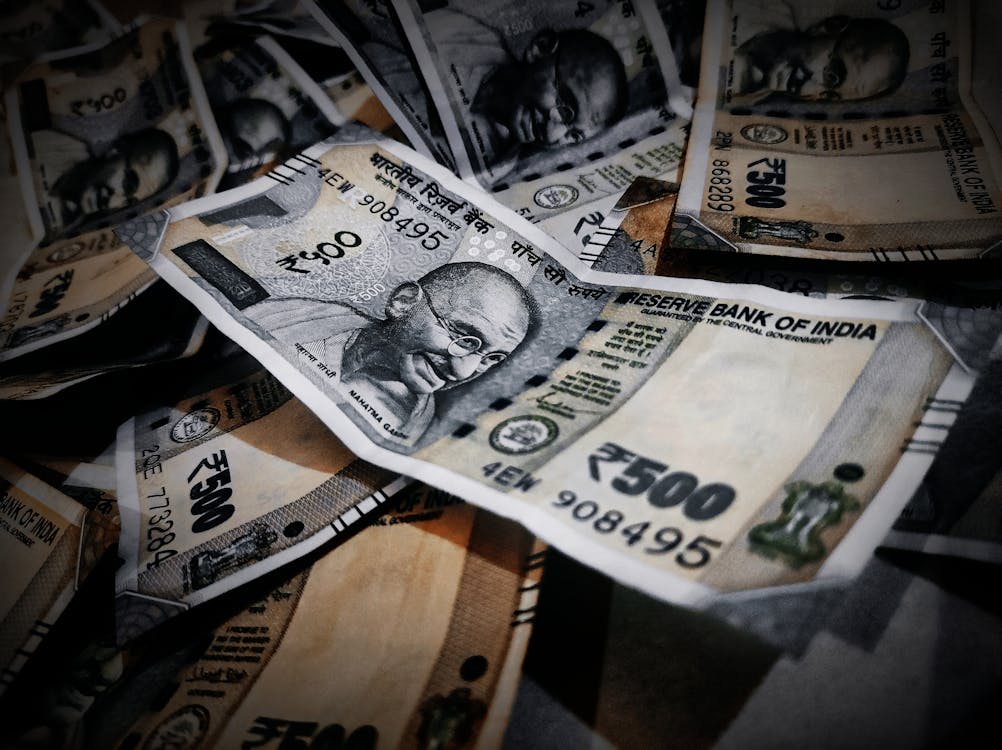
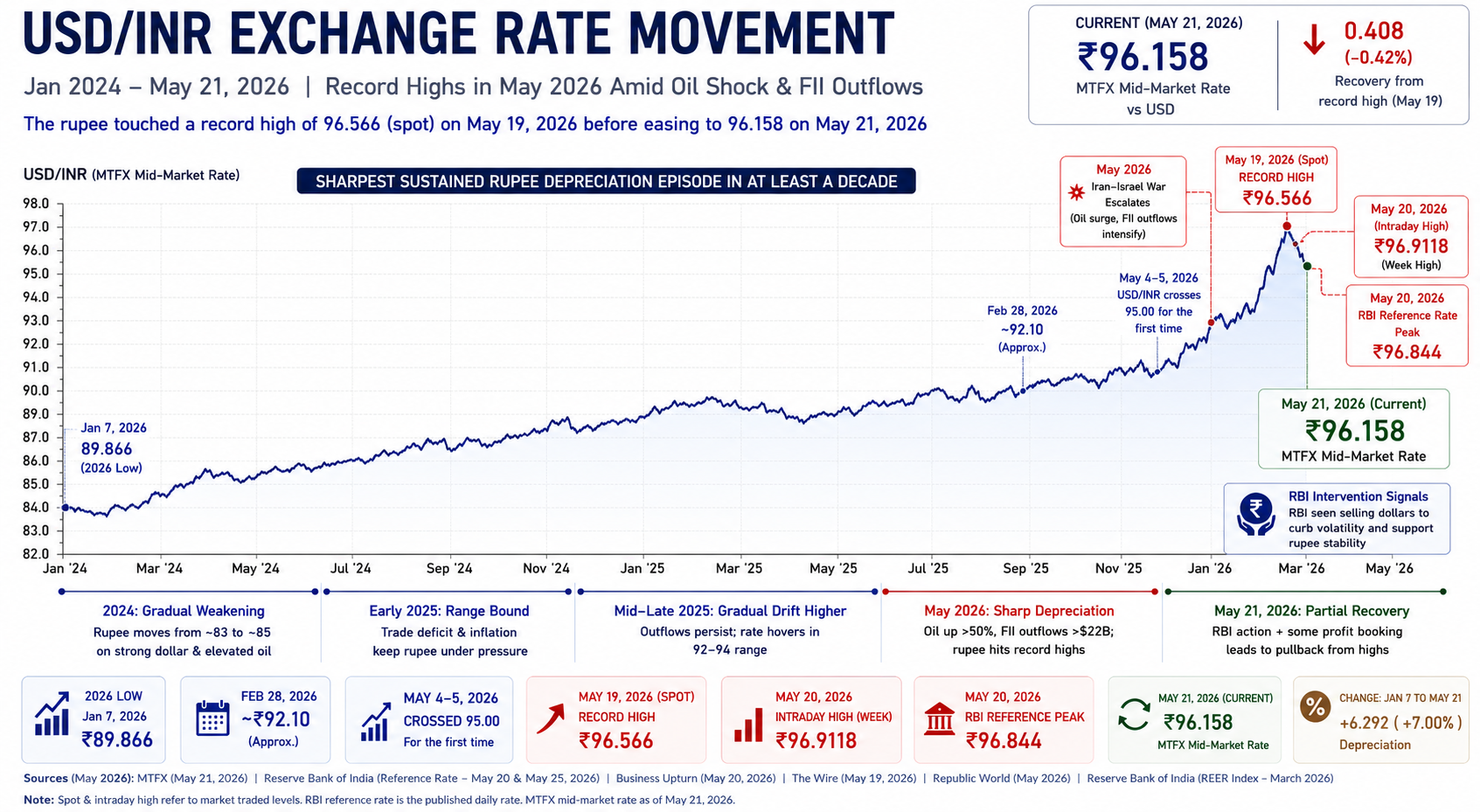
The rupee touched 97.15 against the dollar in intraday trade, a record low by a significant margin, before partially recovering to around 95.25 as of this writing. To put that in context: the currency was trading near 87 per dollar in late February 2026 and has fallen approximately 6 to 7 percent since then, making this the sharpest sustained rupee depreciation episode in at least a decade and the first time the currency has broken through the 96 handle in its history.
The causes are not mysterious. Three interlocking forces are driving the decline: crude oil prices, sustained FII outflows, and a strong dollar. None of them has a near-term resolution.
What Is Driving It
Brent crude prices have surged over 50% since the Iran war began, from approximately $72 to $75 per barrel in late February to around $109 to $110. India imports approximately 85 to 88% of its crude oil requirements, making it acutely vulnerable to sustained energy price shocks.
Alongside that, overseas investors have pulled out over $22 billion from Indian stocks and bonds since the Iran war began, a sustained and large capital outflow that requires more dollars to be sold, weakening the domestic currency in the process.
Structurally, the rupee remains under pressure due to inflation differentials between India and the US. But the Reserve Bank of India's 40-currency real effective exchange rate index recently dropped to 92.72 in March, the lowest in over ten years, suggesting the rupee is now trading well below its fair value in real terms.
That last point matters. A currency trading well below fair value tends to find a floor and eventually reverses. The partial recovery from 97.15 to 95.25 reflects that dynamic beginning.
The NRI Arithmetic at Current Rates
The currency move translates directly into purchasing power for anyone earning in dollars, pounds, dirhams, or Canadian dollars. A Pocket B LOI priced at ₹80 lakh:
- At ₹84/$ (early 2025 rate): approximately $95,200
- At ₹97.15 (peak low): approximately $82,300
- At ₹95.25 (current recovery): approximately $84,000
That is a meaningful difference, roughly 12 to 13 percent cheaper in dollar terms compared to 14 months ago, without the seller adjusting the asking price at all. For Gulf-based buyers, the rupee was at 26.38 against the UAE dirham at the recent low, making Indian property similarly repriced in dirham terms.
The same arithmetic applies across configurations:
- Pocket A residential LOI (₹50,000 to ₹57,000/sqyd) on a 150 sqyd plot: roughly $79,000 to $90,000 at today's rate versus $89,000 to $102,000 at ₹84/$
- Pocket A commercial LOI (₹65,000 to ₹70,000/sqyd): similarly repriced by 12 to 13% in dollar terms
What the Rupee Weakness Also Does
It would be incomplete to present rupee depreciation as purely good news for NRI buyers without noting the other side. A weaker rupee means imported inflation. Everything from petrol to electronics costs more in India. The Finance Ministry has revised its CPI projection for FY27 upward to between 5.5 and 6 percent. Financial markets are expecting the RBI to hike the repo rate by 50 to 75 basis points by December 2026, which would affect home loan affordability for resident buyers.
For NRI buyers specifically, inflation does not affect the purchase price of an existing LOI or resale property. It does affect construction costs on under-construction projects and the general cost of living for family members still in India.
Where the Rate Might Go
The technical picture is bearish until either a credible Iran deal is announced and the Strait of Hormuz reopens, pushing Brent toward $85 to $90, or the Federal Reserve signals a pivot that weakens the dollar broadly. The partial recovery to 95.25 is meaningful but not a confirmed trend reversal.
NRI buyers who have been watching this market know that the window at this exchange rate level is linked to geopolitical developments that can shift quickly in either direction.
---
Sources
- The Wire — rupee record low, 96.47, May 2026
- Business Upturn — rupee analysis, May 20, 2026
- Khaleej Times — rupee vs dirham, May 20, 2026
- Republic World — crude oil and rupee impact, May 2026
- Reserve Bank of India — REER data, March 2026
Article title (for context): Rupee Hits Record Low of 97.15, Recovers to 95.25 — Best Window for NRI Buyers in Years
भारतीय रुपया मई 2026 में डॉलर के मुकाबले 97.15 के रिकॉर्ड इंट्राडे निचले स्तर पर पहुंच गया, जो ईरान युद्ध से जुड़ी कच्चे तेल की कीमतों में उछाल, $22 बिलियन के FII बहिर्वाह और मजबूत डॉलर के कारण हुआ। इसके बाद यह आंशिक रूप से 95.25 पर वापस आ गया। NRI खरीदारों के लिए, यह कदम मोहाली संपत्ति की प्रभावी डॉलर लागत में 2025 की शुरुआत की तुलना में 12 से 13 प्रतिशत की कमी दर्शाता है।
ਰੁਪਿਆ ਕਿੰਨਾ ਡਿੱਗ ਗਿਆ ਹੈ
ਰੁਪਿਆ ਕਾਰੋਬਾਰੀ ਦਿਨ ਦੇ ਦੌਰਾਨ ਡਾਲਰ ਦੇ ਮੁਕਾਬਲੇ 97.15 ਤੱਕ ਪਹੁੰਚ ਗਿਆ, ਜੋ ਕਿ ਇੱਕ ਮਹੱਤਵਪੂਰਨ ਅੰਤਰ ਨਾਲ ਇੱਕ ਰਿਕਾਰਡ ਨੀਵਾਂ ਪੱਧਰ ਹੈ, ਇਸ ਤੋਂ ਬਾਅਦ ਇਹ ਅੰਸ਼ਕ ਤੌਰ 'ਤੇ ਠੀਕ ਹੋ ਕੇ ਇਸ ਲਿਖਤ ਦੇ ਸਮੇਂ ਤੱਕ 95.25 ਦੇ ਆਸ-ਪਾਸ ਪਹੁੰਚ ਗਿਆ। ਇਸ ਨੂੰ ਸੰਦਰਭ ਵਿੱਚ ਰੱਖਣ ਲਈ: ਫਰਵਰੀ 2026 ਦੇ ਅਖੀਰ ਵਿੱਚ ਮੁਦਰਾ 87 ਪ੍ਰਤੀ ਡਾਲਰ ਦੇ ਨੇੜੇ ਵਪਾਰ ਕਰ ਰਹੀ ਸੀ ਅਤੇ ਉਦੋਂ ਤੋਂ ਲਗਭਗ 6 ਤੋਂ 7 ਪ੍ਰਤੀਸ਼ਤ ਡਿੱਗ ਗਈ ਹੈ, ਜਿਸ ਨਾਲ ਇਹ ਘੱਟੋ-ਘੱਟ ਇੱਕ ਦਹਾਕੇ ਵਿੱਚ ਰੁਪਏ ਦੇ ਮੁੱਲ ਵਿੱਚ ਸਭ ਤੋਂ ਤੇਜ਼ ਲਗਾਤਾਰ ਗਿਰਾਵਟ ਦਾ ਦੌਰ ਹੈ ਅਤੇ ਪਹਿਲੀ ਵਾਰ ਹੈ ਕਿ ਮੁਦਰਾ ਨੇ ਆਪਣੇ ਇਤਿਹਾਸ ਵਿੱਚ 96 ਦੇ ਪੱਧਰ ਨੂੰ ਤੋੜਿਆ ਹੈ।
ਇਸ ਦੇ ਕਾਰਨ ਰਹੱਸਮਈ ਨਹੀਂ ਹਨ। ਤਿੰਨ ਆਪਸ ਵਿੱਚ ਜੁੜੀਆਂ ਤਾਕਤਾਂ ਇਸ ਗਿਰਾਵਟ ਨੂੰ ਚਲਾ ਰਹੀਆਂ ਹਨ: ਕੱਚਾ ਤੇਲ ਦੀਆਂ ਕੀਮਤਾਂ, FIIs ਦਾ ਲਗਾਤਾਰ ਬਾਹਰ ਨਿਕਲਣਾ, ਅਤੇ ਇੱਕ ਮਜ਼ਬੂਤ ਡਾਲਰ। ਇਹਨਾਂ ਵਿੱਚੋਂ ਕਿਸੇ ਦਾ ਵੀ ਨਜ਼ਦੀਕੀ ਸਮੇਂ ਵਿੱਚ ਹੱਲ ਨਹੀਂ ਹੈ।
ਇਸ ਨੂੰ ਕੀ ਚਲਾ ਰਿਹਾ ਹੈ
ਈਰਾਨ ਯੁੱਧ ਸ਼ੁਰੂ ਹੋਣ ਤੋਂ ਬਾਅਦ Brent ਕੱਚੇ ਤੇਲ ਦੀਆਂ ਕੀਮਤਾਂ 50% ਤੋਂ ਵੱਧ ਵਧ ਗਈਆਂ ਹਨ, ਫਰਵਰੀ ਦੇ ਅਖੀਰ ਵਿੱਚ ਲਗਭਗ $72 ਤੋਂ $75 ਪ੍ਰਤੀ ਬੈਰਲ ਤੋਂ ਲਗਭਗ $109 ਤੋਂ $110 ਤੱਕ। ਭਾਰਤ ਆਪਣੀਆਂ ਕੱਚੇ ਤੇਲ ਦੀਆਂ ਲਗਭਗ 85 ਤੋਂ 88% ਲੋੜਾਂ ਆਯਾਤ ਕਰਦਾ ਹੈ, ਜਿਸ ਨਾਲ ਇਹ ਊਰਜਾ ਦੀਆਂ ਲਗਾਤਾਰ ਕੀਮਤਾਂ ਦੇ ਝਟਕਿਆਂ ਲਈ ਬਹੁਤ ਸੰਵੇਦਨਸ਼ੀਲ ਹੈ।
ਇਸ ਦੇ ਨਾਲ ਹੀ, ਈਰਾਨ ਯੁੱਧ ਸ਼ੁਰੂ ਹੋਣ ਤੋਂ ਬਾਅਦ ਵਿਦੇਸ਼ੀ ਨਿਵੇਸ਼ਕਾਂ ਨੇ ਭਾਰਤੀ ਸ਼ੇਅਰਾਂ ਅਤੇ ਬਾਂਡਾਂ ਤੋਂ $22 ਬਿਲੀਅਨ ਤੋਂ ਵੱਧ ਕੱਢ ਲਏ ਹਨ, ਇੱਕ ਲਗਾਤਾਰ ਅਤੇ ਵੱਡਾ ਪੂੰਜੀ ਬਹਿਰਾਅ ਜਿਸ ਲਈ ਵਧੇਰੇ ਡਾਲਰ ਵੇਚਣ ਦੀ ਲੋੜ ਹੁੰਦੀ ਹੈ, ਜਿਸ ਨਾਲ ਘਰੇਲੂ ਮੁਦਰਾ ਕਮਜ਼ੋਰ ਹੁੰਦੀ ਹੈ।
ਢਾਂਚਾਗਤ ਤੌਰ 'ਤੇ, ਭਾਰਤ ਅਤੇ ਅਮਰੀਕਾ ਵਿਚਕਾਰ ਮਹਿੰਗਾਈ ਦੇ ਅੰਤਰ ਕਾਰਨ ਰੁਪਿਆ ਦਬਾਅ ਹੇਠ ਰਹਿੰਦਾ ਹੈ। ਪਰ ਭਾਰਤੀ ਰਿਜ਼ਰਵ ਬੈਂਕ ਦਾ 40-ਮੁਦਰਾ REAL EFFECTIVE EXCHANGE RATE (REER) ਸੂਚਕਾਂਕ ਮਾਰਚ ਵਿੱਚ 92.72 ਤੱਕ ਡਿੱਗ ਗਿਆ, ਜੋ ਕਿ ਦਸ ਸਾਲਾਂ ਵਿੱਚ ਸਭ ਤੋਂ ਘੱਟ ਹੈ, ਇਹ ਸੁਝਾਅ ਦਿੰਦਾ ਹੈ ਕਿ ਰੁਪਿਆ ਹੁਣ ਅਸਲ ਰੂਪ ਵਿੱਚ ਆਪਣੇ ਉਚਿਤ ਮੁੱਲ ਤੋਂ ਕਾਫ਼ੀ ਹੇਠਾਂ ਵਪਾਰ ਕਰ ਰਿਹਾ ਹੈ।
ਉਹ ਆਖਰੀ ਨੁਕਤਾ ਮਾਇਨੇ ਰੱਖਦਾ ਹੈ। ਇੱਕ ਮੁਦਰਾ ਜੋ ਉਚਿਤ ਮੁੱਲ ਤੋਂ ਕਾਫ਼ੀ ਹੇਠਾਂ ਵਪਾਰ ਕਰ ਰਹੀ ਹੈ, ਇੱਕ ਤਲ ਲੱਭਦੀ ਹੈ ਅਤੇ ਅੰਤ ਵਿੱਚ ਉਲਟ ਜਾਂਦੀ ਹੈ। 97.15 ਤੋਂ 95.25 ਤੱਕ ਦੀ ਅੰਸ਼ਕ ਰਿਕਵਰੀ ਉਸ ਗਤੀਸ਼ੀਲਤਾ ਦੀ ਸ਼ੁਰੂਆਤ ਨੂੰ ਦਰਸਾਉਂਦੀ ਹੈ।
ਮੌਜੂਦਾ ਦਰਾਂ 'ਤੇ NRI ਲਈ ਹਿਸਾਬ
ਮੁਦਰਾ ਦੀ ਗਤੀਵਿਧੀ ਡਾਲਰ, ਪੌਂਡ, ਦਿਰਹਾਮ, ਜਾਂ ਕੈਨੇਡੀਅਨ ਡਾਲਰ ਵਿੱਚ ਕਮਾਈ ਕਰਨ ਵਾਲੇ ਕਿਸੇ ਵੀ ਵਿਅਕਤੀ ਲਈ ਸਿੱਧੇ ਤੌਰ 'ਤੇ ਖਰੀਦ ਸ਼ਕਤੀ ਵਿੱਚ ਬਦਲ ਜਾਂਦੀ ਹੈ। ₹80 ਲੱਖ ਦੀ ਕੀਮਤ ਵਾਲਾ ਇੱਕ Pocket B LOI:
- ₹84/$ (2025 ਦੀ ਸ਼ੁਰੂਆਤੀ ਦਰ) 'ਤੇ: ਲਗਭਗ $95,200
- ₹97.15 (ਸਭ ਤੋਂ ਹੇਠਲੇ ਪੱਧਰ) 'ਤੇ: ਲਗਭਗ $82,300
- ₹95.25 (ਮੌਜੂਦਾ ਰਿਕਵਰੀ) 'ਤੇ: ਲਗਭਗ $84,000
ਇਹ ਇੱਕ ਅਰਥਪੂਰਨ ਅੰਤਰ ਹੈ, 14 ਮਹੀਨੇ ਪਹਿਲਾਂ ਦੇ ਮੁਕਾਬਲੇ ਡਾਲਰ ਦੇ ਰੂਪ ਵਿੱਚ ਲਗਭਗ 12 ਤੋਂ 13 ਪ੍ਰਤੀਸ਼ਤ ਸਸਤਾ, ਬਿਨਾਂ ਵਿਕਰੇਤਾ ਦੁਆਰਾ ਪੁੱਛੀ ਗਈ ਕੀਮਤ ਨੂੰ ਬਿਲਕੁਲ ਵੀ ਘਟਾਏ। UAE ਦਿਰਹਾਮ ਦੇ ਮੁਕਾਬਲੇ 26.38 'ਤੇ, ਖਾੜੀ-ਅਧਾਰਤ ਖਰੀਦਦਾਰਾਂ ਲਈ, ਭਾਰਤੀ ਜਾਇਦਾਦ ਦਿਰਹਾਮ ਦੇ ਰੂਪ ਵਿੱਚ ਇਸੇ ਤਰ੍ਹਾਂ ਮੁੜ-ਕੀਮਤਬੰਦ ਕੀਤੀ ਗਈ ਹੈ।
ਇਹੀ ਹਿਸਾਬ ਵੱਖ-ਵੱਖ ਕੌਂਫਿਗਰੇਸ਼ਨਾਂ 'ਤੇ ਲਾਗੂ ਹੁੰਦਾ ਹੈ:
- Pocket A ਰਿਹਾਇਸ਼ੀ LOI (₹50,000 ਤੋਂ ₹57,000/ਵਰਗ ਗਜ) 150 ਵਰਗ ਗਜ ਦੇ ਪਲਾਟ 'ਤੇ: ਅੱਜ ਦੀ ਦਰ 'ਤੇ ਲਗਭਗ $79,000 ਤੋਂ $90,000 ਬਨਾਮ ₹84/$ 'ਤੇ $89,000 ਤੋਂ $102,000
- Pocket A ਵਪਾਰਕ LOI (₹65,000 ਤੋਂ ₹70,000/ਵਰਗ ਗਜ): ਡਾਲਰ ਦੇ ਰੂਪ ਵਿੱਚ 12 ਤੋਂ 13% ਘੱਟ ਕੀਮਤ
ਰੁਪਏ ਦੀ ਕਮਜ਼ੋਰੀ ਹੋਰ ਕੀ ਕਰਦੀ ਹੈ
ਰੁਪਏ ਦੇ ਮੁੱਲ ਵਿੱਚ ਗਿਰਾਵਟ ਨੂੰ NRI ਖਰੀਦਦਾਰਾਂ ਲਈ ਸ਼ੁੱਧ ਰੂਪ ਵਿੱਚ ਚੰਗੀ ਖ਼ਬਰ ਵਜੋਂ ਪੇਸ਼ ਕਰਨਾ ਦੂਜੇ ਪਹਿਲੂ ਨੂੰ ਨੋਟ ਕੀਤੇ ਬਿਨਾਂ ਅਧੂਰਾ ਹੋਵੇਗਾ। ਕਮਜ਼ੋਰ ਰੁਪਏ ਦਾ ਮਤਲਬ ਹੈ ਆਯਾਤੀ ਮਹਿੰਗਾਈ। ਪੈਟਰੋਲ ਤੋਂ ਲੈ ਕੇ ਇਲੈਕਟ੍ਰੋਨਿਕਸ ਤੱਕ ਹਰ ਚੀਜ਼ ਭਾਰਤ ਵਿੱਚ ਵਧੇਰੇ ਮਹਿੰਗੀ ਹੁੰਦੀ ਹੈ। ਵਿੱਤ ਮੰਤਰਾਲੇ ਨੇ FY27 ਲਈ ਆਪਣੇ CPI ਅਨੁਮਾਨ ਨੂੰ ਵਧਾ ਕੇ 5.5 ਤੋਂ 6 ਪ੍ਰਤੀਸ਼ਤ ਦੇ ਵਿਚਕਾਰ ਕਰ ਦਿੱਤਾ ਹੈ। ਵਿੱਤੀ ਬਾਜ਼ਾਰਾਂ ਨੂੰ ਦਸੰਬਰ 2026 ਤੱਕ RBI ਦੁਆਰਾ REPO RATE ਵਿੱਚ 50 ਤੋਂ 75 BASIS POINTS ਦੇ ਵਾਧੇ ਦੀ ਉਮੀਦ ਹੈ, ਜੋ ਭਾਰਤੀ ਨਿਵਾਸੀ ਖਰੀਦਦਾਰਾਂ ਲਈ ਹੋਮ ਲੋਨ ਦੀ ਸਮਰੱਥਾ ਨੂੰ ਪ੍ਰਭਾਵਿਤ ਕਰੇਗਾ।
ਖਾਸ ਤੌਰ 'ਤੇ NRI ਖਰੀਦਦਾਰਾਂ ਲਈ, ਮਹਿੰਗਾਈ ਮੌਜੂਦਾ LOI ਜਾਂ ਮੁੜ-ਵਿਕਰੀ ਜਾਇਦਾਦ ਦੀ ਖਰੀਦ ਕੀਮਤ ਨੂੰ ਪ੍ਰਭਾਵਿਤ ਨਹੀਂ ਕਰਦੀ। ਇਹ ਉਸਾਰੀ ਅਧੀਨ ਪ੍ਰੋਜੈਕਟਾਂ ਦੀਆਂ ਉਸਾਰੀ ਲਾਗਤਾਂ ਅਤੇ ਭਾਰਤ ਵਿੱਚ ਅਜੇ ਵੀ ਪਰਿਵਾਰ ਦੇ ਮੈਂਬਰਾਂ ਲਈ ਰਹਿਣ-ਸਹਿਣ ਦੀ ਆਮ ਲਾਗਤ ਨੂੰ ਪ੍ਰਭਾਵਿਤ ਕਰਦੀ ਹੈ।
ਦਰ ਕਿੱਥੇ ਜਾ ਸਕਦੀ ਹੈ
ਤਕਨੀਕੀ ਤਸਵੀਰ ਮੰਦੀ ਵਾਲੀ ਹੈ ਜਦੋਂ ਤੱਕ ਜਾਂ ਤਾਂ ਇੱਕ ਭਰੋਸੇਯੋਗ ਈਰਾਨ ਸੌਦੇ ਦਾ ਐਲਾਨ ਨਹੀਂ ਹੁੰਦਾ ਅਤੇ ਸਟ੍ਰੇਟ ਆਫ਼ ਹੁਰਮੁਜ਼ ਨੂੰ ਦੁਬਾਰਾ ਨਹੀਂ ਖੋਲ੍ਹਿਆ ਜਾਂਦਾ, ਜੋ Brent ਨੂੰ $85 ਤੋਂ $90 ਵੱਲ ਧੱਕਦਾ ਹੈ, ਜਾਂ FEDERAL RESERVE ਇੱਕ ਪਰਿਵਰਤਨ ਦਾ ਸੰਕੇਤ ਦਿੰਦਾ ਹੈ ਜੋ ਵਿਆਪਕ ਤੌਰ 'ਤੇ ਡਾਲਰ ਨੂੰ ਕਮਜ਼ੋਰ ਕਰਦਾ ਹੈ। 95.25 ਤੱਕ ਅੰਸ਼ਕ ਰਿਕਵਰੀ ਅਰਥਪੂਰਨ ਹੈ ਪਰ ਇਹ ਇੱਕ ਪੁਸ਼ਟੀ ਕੀਤਾ ਰੁਝਾਨ ਉਲਟਫੇਰ ਨਹੀਂ ਹੈ।
NRI ਖਰੀਦਦਾਰ ਜੋ ਇਸ ਬਾਜ਼ਾਰ ਨੂੰ ਦੇਖ ਰਹੇ ਹਨ, ਜਾਣਦੇ ਹਨ ਕਿ ਇਸ ਵਟਾਂਦਰਾ ਦਰ ਪੱਧਰ 'ਤੇ ਵਿੰਡੋ ਭੂ-ਰਾਜਨੀਤਿਕ ਘਟਨਾਵਾਂ ਨਾਲ ਜੁੜੀ ਹੋਈ ਹੈ ਜੋ ਕਿਸੇ ਵੀ ਦਿਸ਼ਾ ਵਿੱਚ ਤੇਜ਼ੀ ਨਾਲ ਬਦਲ ਸਕਦੀਆਂ ਹਨ।
---
ਸਰੋਤ
- The Wire — rupee record low, 96.47, May 2026
- Business Upturn — rupee analysis, May 20, 2026
- Khaleej Times — rupee vs dirham, May 20, 2026
- Republic World — crude oil and rupee impact, May 2026
- Reserve Bank of India — REER data, March 2026