
The Season That Exposes Everything
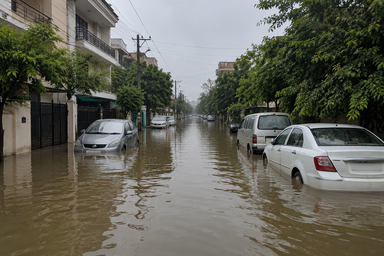
Mohali's monsoon arrives in early July. The city has roughly three weeks left before the first serious rain. That window is the annual test of whether the drainage infrastructure is ready or whether residents will spend July and August managing the same choked drains, overflowing sewage lines, and waterlogged roads that have characterised every monsoon for the past decade.
As one Tribune report put it, covering a scene that has repeated itself across multiple monsoon seasons: "Two days of intermittent rain exposed the Municipal Corporation and Greater Mohali Area Development Authority's ill-preparedness in dealing with waterlogging during the monsoon season. Roads, parks, markets, housing societies and playgrounds were waterlogged after just the second rain of the monsoon as the authorities, both GMADA and civic body, again rushed to clean road gullies, lay drainage pipes and clean seasonal rivulets before the rainy season."
That sentence applies to 2023, 2024, and 2025 equally.
What Goes Wrong and Where
The geography of Mohali's waterlogging problem is well mapped at this point. The recurring hotspots are not mysteries. They are the same locations every year.
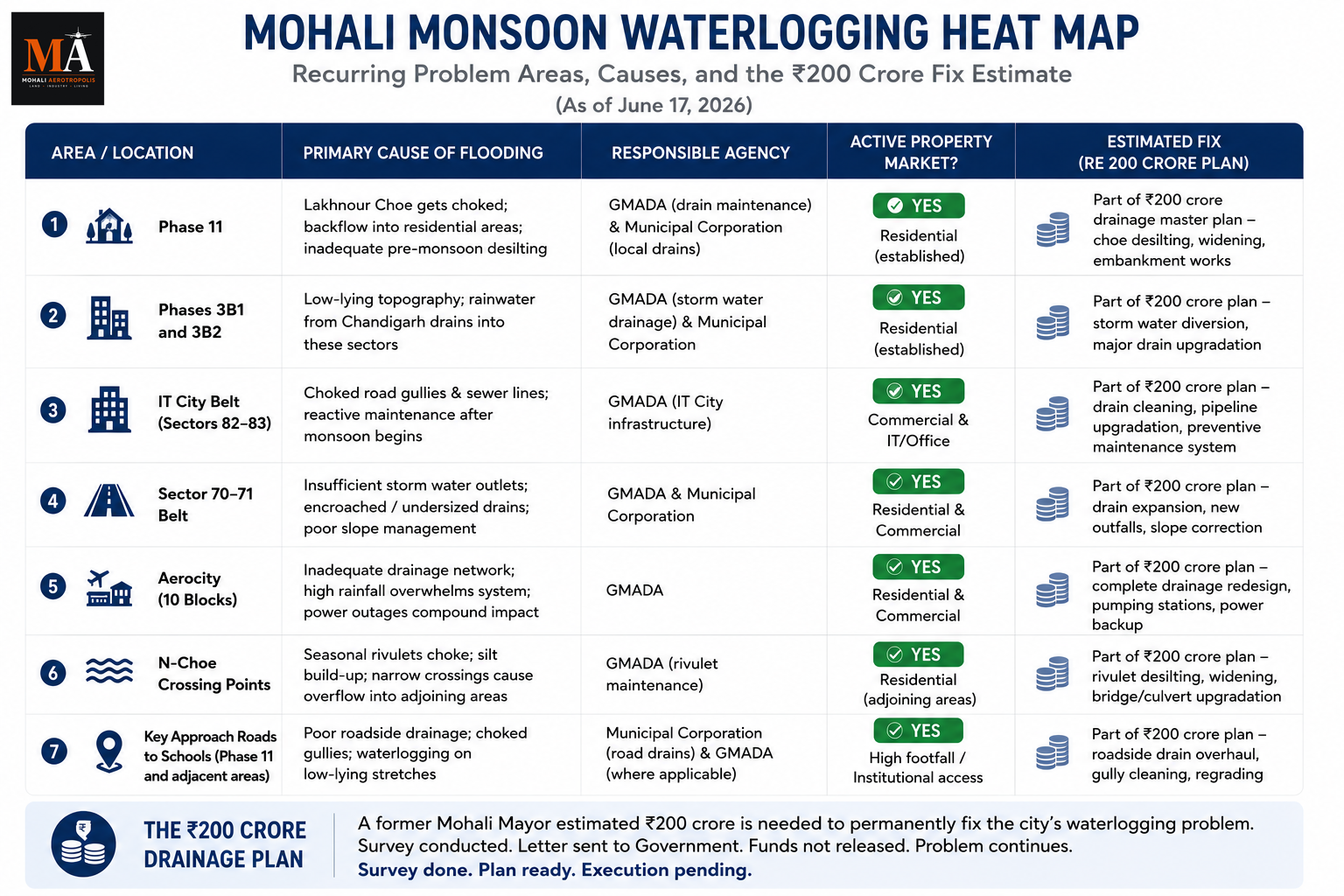
Phase 11 floods when the Lakhnour Choe, the seasonal stream that passes through the area, is not adequately cleared before monsoon. When the choe is choked, water backs up into the residential colony. Phase 11 has experienced near-knee-deep waterlogging during moderate rain events, and the approach road to at least three schools in the locality has been flooded.
Phases 3B1 and 3B2 flood because of topography. The area sits at an elevation that causes rainwater from Chandigarh to flow into this part of Mohali. Clearing the drains helps, but the fundamental issue is that water from a higher catchment area flows toward these sectors during heavy rain events. That is not a desilting problem. It is a storm-water diversion and infrastructure problem.
The IT City belt, one of Mohali's most valuable commercial corridors, has its own drainage gaps. GMADA has floated tenders to clean road gullies and sewer lines in IT City after the monsoon started in previous years. Residents have pointed out repeatedly that the authority collects money through development charges and fines but carries out reactive rather than preventive maintenance.
The Aerocity blocks near the international airport, GMADA's flagship development, were completely submerged in a season where Mohali received 303mm of rainfall over 72 hours. Residents in all 10 blocks of Aerocity faced a three-day power outage. The area that is meant to signal Mohali's future could not drain a few days of heavy rain.
The Cost Has Been Calculated
A former Mohali Mayor estimated Rs 200 crore would be needed to permanently fix the waterlogging problem. The survey was conducted. A letter was written to the government requesting funds. The money was not released. The problem continued.
The Punjab State Human Rights Commission took suo motu cognizance of Tribune reporting on Mohali waterlogging after just a 20-minute rain spell that caused overflowing sewage lines, choked drains, and waterlogged roads. The commission chairperson called for a report. Reports were filed. The following monsoon, the same areas flooded.
That cycle: survey, estimate, letter, cognizance, report, repeat. It is the administrative record of this problem. Acknowledged at every level from the PSHRC to GMADA chief engineers to sitting Mayors. The gap is between acknowledgment and capital allocation.
What the New Administration Has and Has Not Committed To
The new Mayor, Sarabjit Singh Samana, named garbage collection and a city bus service as his immediate first priorities when he took office on June 9. Waterlogging was not specifically named in those first-week commitments. Drainage infrastructure typically appears in the second wave of commitments, after the new council has constituted its standing committees and assigned the public works portfolio.
The institutional context matters here. AAP now controls both the state government and the MC. The friction between the two that historically slowed infrastructure funding and approvals has reduced. GMADA, which sits under the state, should coordinate more smoothly with the elected MC than it did under previous opposition-controlled civic bodies.
Whether that alignment translates into capital allocation for drainage before the 2026 monsoon, which is weeks away and not months, is a different question. The capital cycle for infrastructure projects requires budget approval, tender, award, and execution. None of those steps happen in three weeks.
The monsoon will arrive on its own schedule. What happens in Sectors 70, 71, Phase 11, Phases 3B1 and 3B2, IT City, and Aerocity over the next three months will be the first visible governance test for the new administration.
What This Means for Real Estate Specifically
Waterlogging is not an abstract civic issue for property buyers and owners. It is a visible, measurable quality signal that shows up at exactly the moment buyers are doing site visits.
Property in sectors with severe recurring waterlogging trades at a discount to equivalent sectors with functional drainage. That discount is not always visible in headline price data but shows up in transaction velocity, negotiation leverage, and tenant retention. Sectors that flood regularly see longer vacancy periods in rentals and more negotiated price reductions in sale transactions during and immediately after monsoon.
For buyers currently evaluating Mohali property, a simple visit during the first serious rain of the season tells more about the practical condition of a sector's infrastructure than any specification sheet. The sectors with the fastest drainage recovery after a rain event are the ones where civic services have kept pace with physical development. Those sectors exist in Mohali. So do the ones where they have not.
---
Sources
- The Tribune — Ill-prepared MC, GMADA leave Mohali in knee-deep water, Tribune archives (recurring monsoon coverage)
- Aerocity Mohali — Monsoon troubles: a recurring challenge in Mohali, sector-specific waterlogging analysis
- The Tribune — PSHRC takes cognisance of Mohali waterlogging report, July 2024
- The Tribune — Rs 200 crore needed to rid Mohali of waterlogging woes, Mayor statement
- The Tribune — Rain back, so is waterlogging, Mohali residents at wits end, Tribune archives
- The Tribune — Intermittent rain causes waterlogging in Mohali, Phase 11 and Phases 3B1, 3B2 documentation
वह मौसम जो सब कुछ उजागर कर देता है
मोहाली में मानसून जुलाई की शुरुआत में आता है। शहर के पास पहली गंभीर बारिश से पहले लगभग तीन सप्ताह का समय है। यह खिड़की वार्षिक परीक्षा है कि क्या जल निकासी बुनियादी ढांचा तैयार है या फिर निवासियों को जुलाई और अगस्त का महीना उन्हीं भरे नालों, ओवरफ्लो होते सीवर लाइनों और जल-जमाव वाली सड़कों से निपटने में बिताना होगा, जो पिछले दशक के हर मानसून की पहचान रहे हैं।
जैसा कि एक ट्रिब्यून रिपोर्ट ने कहा, जो कई मानसूनी मौसमों में दोहराए गए एक दृश्य को कवर करती है: "दो दिनों की रुक-रुक कर बारिश ने मानसून के मौसम में जलभराव से निपटने में नगर निगम और ग्रेटर मोहाली एरिया डेवलपमेंट अथॉरिटी की खराब तैयारियों को उजागर कर दिया। मानसून की सिर्फ दूसरी बारिश के बाद ही सड़कें, पार्क, बाजार, आवासीय सोसायटी और खेल के मैदान जलमग्न हो गए, क्योंकि अधिकारियों, जीएमएडीए और नागरिक निकाय दोनों ने, बारिश के मौसम से पहले सड़क गलियों की सफाई, ड्रेनेज पाइप बिछाने और मौसमी नालों की सफाई के लिए फिर से हड़बड़ी दिखाई।"
यह वाक्य 2023, 2024 और 2025 पर समान रूप से लागू होता है।
क्या गलत होता है और कहाँ
मोहाली की जलभराव समस्या का भूगोल अब तक अच्छी तरह से मैप किया जा चुका है। बार-बार आने वाले हॉटस्पॉट कोई रहस्य नहीं हैं। वे हर साल वही स्थान होते हैं।
फेज 11 में बाढ़ तब आती है जब लखनौर चो, मौसमी नाला जो इस क्षेत्र से होकर गुजरता है, मानसून से पहले पर्याप्त रूप से साफ नहीं किया जाता है। जब चो अवरुद्ध होता है, तो पानी वापस आवासीय कॉलोनी में आ जाता है। फेज 11 में मध्यम बारिश की घटनाओं के दौरान लगभग घुटनों तक पानी भर गया है, और इलाके में कम से कम तीन स्कूलों की पहुंच वाली सड़कों में बाढ़ आ गई है।
फेज 3B1 और 3B2 में स्थलाकृति के कारण बाढ़ आती है। यह क्षेत्र एक ऐसी ऊंचाई पर स्थित है जिसके कारण चंडीगढ़ का बारिश का पानी मोहाली के इस हिस्से में बहता है। नालों की सफाई करने से मदद मिलती है, लेकिन मूल मुद्दा यह है कि भारी बारिश की घटनाओं के दौरान एक उच्च जलग्रहण क्षेत्र का पानी इन सेक्टरों की ओर बहता है। यह सिर्फ गाद निकालने की समस्या नहीं है। यह तूफानी पानी के मोड़ने और बुनियादी ढांचे की समस्या है।
आईटी सिटी बेल्ट, मोहाली के सबसे मूल्यवान वाणिज्यिक गलियारों में से एक है, जिसमें अपने स्वयं के जल निकासी अंतराल हैं। जीएमएडीए ने पिछले वर्षों में मानसून शुरू होने के बाद आईटी सिटी में सड़क गलियों और सीवर लाइनों की सफाई के लिए टेंडर निकाले हैं। निवासियों ने बार-बार बताया है कि प्राधिकरण विकास शुल्क और जुर्माने के माध्यम से पैसा इकट्ठा करता है, लेकिन प्रतिक्रियात्मक रखरखाव करता है न कि निवारक रखरखाव।
अंतरराष्ट्रीय हवाई अड्डे के पास एरोसिटी ब्लॉक, जीएमएडीए का प्रमुख विकास, एक ऐसे मौसम में पूरी तरह से जलमग्न हो गए थे जहां मोहाली में 72 घंटों में 303 मिमी वर्षा हुई थी। एरोसिटी के सभी 10 ब्लॉकों के निवासियों को तीन दिनों का बिजली कटौती का सामना करना पड़ा। जिस क्षेत्र का उद्देश्य मोहाली के भविष्य का संकेत देना था, वह कुछ दिनों की भारी बारिश का पानी नहीं निकाल सका।
लागत का अनुमान लगाया जा चुका है
एक पूर्व मोहाली मेयर ने अनुमान लगाया था कि जलभराव की समस्या को स्थायी रूप से ठीक करने के लिए 200 करोड़ रुपये की आवश्यकता होगी। सर्वेक्षण किया गया था। सरकार को धन का अनुरोध करते हुए एक पत्र लिखा गया था। पैसा जारी नहीं किया गया। समस्या जारी रही।
पंजाब राज्य मानवाधिकार आयोग (PSHRC) ने सिर्फ 20 मिनट की बारिश के बाद ओवरफ्लो होती सीवर लाइनों, भरे नालों और जलमग्न सड़कों के कारण मोहाली जलभराव पर ट्रिब्यून रिपोर्टिंग का स्वतः संज्ञान लिया था। आयोग के अध्यक्ष ने एक रिपोर्ट मांगी। रिपोर्ट दायर की गईं। अगले मानसून में, वही क्षेत्र बाढ़ग्रस्त हो गए।
वह चक्र: सर्वेक्षण, अनुमान, पत्र, संज्ञान, रिपोर्ट, दोहराना। यह इस समस्या का प्रशासनिक रिकॉर्ड है। PSHRC से लेकर GMADA के मुख्य अभियंताओं और बैठे मेयरों तक हर स्तर पर स्वीकार किया गया। अंतर स्वीकारोक्ति और पूंजी आवंटन के बीच है।
नए प्रशासन ने क्या किया है और क्या नहीं किया है
नए मेयर, सरबजीत सिंह समाना ने 9 जून को पदभार ग्रहण करने पर कचरा संग्रहण और सिटी बस सेवा को अपनी तत्काल पहली प्राथमिकताएं बताया था। पहले सप्ताह की उन प्रतिबद्धताओं में जलभराव का विशेष रूप से उल्लेख नहीं किया गया था। जल निकासी बुनियादी ढांचा आमतौर पर प्रतिबद्धताओं की दूसरी लहर में दिखाई देता है, नई परिषद द्वारा अपनी स्थायी समितियों का गठन करने और लोक निर्माण विभाग का आवंटन करने के बाद।
संस्थागत संदर्भ यहाँ मायने रखता है। AAP अब राज्य सरकार और MC दोनों को नियंत्रित करती है। दोनों के बीच का घर्षण, जिसने ऐतिहासिक रूप से बुनियादी ढांचे के वित्तपोषण और मंजूरी को धीमा किया था, कम हो गया है। GMADA, जो राज्य के अधीन है, को पूर्व विपक्ष-नियंत्रित नागरिक निकायों की तुलना में निर्वाचित MC के साथ अधिक सुचारू रूप से समन्वय करना चाहिए।
क्या यह तालमेल 2026 के मानसून से पहले जल निकासी के लिए पूंजी आवंटन में तब्दील होता है, जो कि महीनों नहीं बल्कि सप्ताह दूर है, यह एक अलग सवाल है। बुनियादी ढांचा परियोजनाओं के लिए पूंजी चक्र में बजट अनुमोदन, टेंडर, पुरस्कार और निष्पादन की आवश्यकता होती है। ये कदम तीन सप्ताह में पूरे नहीं होते।
मानसून अपने कार्यक्रम पर आएगा। अगले तीन महीनों में सेक्टर 70, 71, फेज 11, फेज 3B1 और 3B2, IT सिटी, और Aerocity में जो होता है, वह नए प्रशासन के लिए पहली दृश्य शासन परीक्षा होगी।
रियल एस्टेट के लिए इसका विशेष रूप से क्या अर्थ है
जलभराव संपत्ति खरीदारों और मालिकों के लिए एक अमूर्त नागरिक मुद्दा नहीं है। यह एक दृश्य, मापने योग्य गुणवत्ता संकेत है जो ठीक उसी समय सामने आता है जब खरीदार साइट विज़िट कर रहे होते हैं।
गंभीर बार-बार जलभराव वाले सेक्टरों में संपत्ति कार्यात्मक जल निकासी वाले समकक्ष सेक्टरों की तुलना में छूट पर कारोबार करती है। वह छूट हमेशा शीर्षक मूल्य डेटा में दिखाई नहीं देती है, लेकिन लेन-देन की गति, बातचीत की लीवरेज और किराएदार प्रतिधारण में दिखाई देती है। जो सेक्टर नियमित रूप से बाढ़ करते हैं, वे मानसून के दौरान और ठीक बाद किराए में लंबी रिक्ति अवधि और बिक्री लेनदेन में अधिक मोलभाव मूल्य में कमी देखते हैं।
वर्तमान में मोहाली संपत्ति का मूल्यांकन करने वाले खरीदारों के लिए, मौसम की पहली गंभीर बारिश के दौरान एक साधारण यात्रा किसी भी विनिर्देश शीट की तुलना में किसी सेक्टर के बुनियादी ढांचे की व्यावहारिक स्थिति के बारे में अधिक बताती है। जिन सेक्टरों में बारिश की घटना के बाद सबसे तेजी से जल निकासी सुधार होता है, वे वही हैं जहां नागरिक सेवाओं ने भौतिक विकास के साथ गति बनाए रखी है। ऐसे सेक्टर मोहाली में मौजूद हैं। वैसे सेक्टर भी मौजूद हैं जहां ऐसा नहीं हुआ है।
---
स्रोत
- द ट्रिब्यून — Ill-prepared MC, GMADA leave Mohali in knee-deep water, ट्रिब्यून अभिलेखागार (बार-बार मानसून कवरेज)
- Aerocity Mohali — Monsoon troubles: a recurring challenge in Mohali, सेक्टर-विशिष्ट जलभराव विश्लेषण
- द ट्रिब्यून — PSHRC takes cognisance of Mohali waterlogging report, जुलाई 2024
- द ट्रिब्यून — Rs 200 crore needed to rid Mohali of waterlogging woes, मेयर का बयान
- द ट्रिब्यून — Rain back, so is waterlogging, Mohali residents at wits end, ट्रिब्यून अभिलेखागार
- द ट्रिब्यून — Intermittent rain causes waterlogging in Mohali, Phase 11 and Phases 3B1, 3B2 documentation
ਉਹ ਮੌਸਮ ਜੋ ਸਭ ਕੁਝ ਉਜਾਗਰ ਕਰ ਦਿੰਦਾ ਹੈ
ਮੁਹਾਲੀ ਦਾ ਮੌਨਸੂਨ ਜੁਲਾਈ ਦੇ ਸ਼ੁਰੂ ਵਿੱਚ ਆਉਂਦਾ ਹੈ। ਸ਼ਹਿਰ ਕੋਲ ਪਹਿਲੀ ਗੰਭੀਰ ਬਾਰਿਸ਼ ਤੋਂ ਪਹਿਲਾਂ ਲਗਭਗ ਤਿੰਨ ਹਫ਼ਤੇ ਬਾਕੀ ਹਨ। ਇਹ ਸਮਾਂ ਸੀਮਾ ਸਾਲਾਨਾ ਟੈਸਟ ਹੁੰਦੀ ਹੈ ਕਿ ਕੀ ਜਲ ਨਿਕਾਸੀ ਦਾ ਬੁਨਿਆਦੀ ਢਾਂਚਾ ਤਿਆਰ ਹੈ ਜਾਂ ਕੀ ਵਸਨੀਕ ਜੁਲਾਈ ਅਤੇ ਅਗਸਤ ਉਨ੍ਹਾਂ ਬੰਦ ਨਾਲੀਆਂ, ਭਰੇ ਹੋਏ ਗੰਦੇ ਪਾਣੀ ਦੇ ਪਾਈਪਾਂ, ਅਤੇ ਪਾਣੀ ਭਰੀਆਂ ਸੜਕਾਂ ਦੇ ਪ੍ਰਬੰਧਨ ਵਿੱਚ ਬਿਤਾਉਣਗੇ ਜਿਨ੍ਹਾਂ ਨੇ ਪਿਛਲੇ ਦਹਾਕੇ ਦੇ ਹਰ ਮੌਨਸੂਨ ਨੂੰ ਦਰਸਾਇਆ ਹੈ।
ਜਿਵੇਂ ਕਿ ਇੱਕ Tribune ਰਿਪੋਰਟ ਨੇ ਇਸ ਬਾਰੇ ਦੱਸਿਆ, ਇੱਕ ਅਜਿਹੇ ਦ੍ਰਿਸ਼ ਨੂੰ ਕਵਰ ਕਰਦੇ ਹੋਏ ਜੋ ਕਈ ਮੌਨਸੂਨ ਸੀਜ਼ਨਾਂ ਵਿੱਚ ਦੁਹਰਾਇਆ ਗਿਆ ਹੈ: "ਦੋ ਦਿਨਾਂ ਦੀ ਰੁਕ-ਰੁਕ ਕੇ ਬਾਰਿਸ਼ ਨੇ ਮਿਉਂਸਪਲ ਕਾਰਪੋਰੇਸ਼ਨ ਅਤੇ ਗ੍ਰੇਟਰ ਮੁਹਾਲੀ ਏਰੀਆ ਡਿਵੈਲਪਮੈਂਟ ਅਥਾਰਟੀ (Greater Mohali Area Development Authority) ਦੀ ਮੌਨਸੂਨ ਸੀਜ਼ਨ ਦੌਰਾਨ ਪਾਣੀ ਭਰਨ (waterlogging) ਨਾਲ ਨਜਿੱਠਣ ਵਿੱਚ ਤਿਆਰੀ ਨਾ ਹੋਣ ਨੂੰ ਉਜਾਗਰ ਕਰ ਦਿੱਤਾ। ਸੜਕਾਂ, ਪਾਰਕ, ਮਾਰਕੀਟ, ਹਾਊਸਿੰਗ ਸੁਸਾਇਟੀਆਂ ਅਤੇ ਖੇਡ ਦੇ ਮੈਦਾਨ ਸਿਰਫ ਮੌਨਸੂਨ ਦੀ ਦੂਜੀ ਬਾਰਿਸ਼ ਤੋਂ ਬਾਅਦ ਹੀ ਪਾਣੀ ਨਾਲ ਭਰ ਗਏ, ਕਿਉਂਕਿ ਅਧਿਕਾਰੀ, GMADA ਅਤੇ ਨਾਗਰਿਕ ਸੰਸਥਾ (civic body) ਦੋਵੇਂ, ਬਾਰਿਸ਼ ਦੇ ਮੌਸਮ ਤੋਂ ਪਹਿਲਾਂ ਸੜਕਾਂ ਦੀਆਂ ਗਲੀਆਂ (road gullies) ਸਾਫ਼ ਕਰਨ, ਪਾਈਪਾਂ ਵਿਛਾਉਣ ਅਤੇ ਮੌਸਮੀ ਨਦੀਆਂ (seasonal rivulets) ਨੂੰ ਸਾਫ਼ ਕਰਨ ਲਈ ਫਿਰ ਤੋਂ ਦੌੜ ਗਏ।"
ਇਹ ਵਾਕ 2023, 2024 ਅਤੇ 2025 'ਤੇ ਬਰਾਬਰ ਲਾਗੂ ਹੁੰਦਾ ਹੈ।
ਕੀ ਅਤੇ ਕਿੱਥੇ ਗਲਤ ਹੁੰਦਾ ਹੈ
ਮੁਹਾਲੀ ਦੇ ਪਾਣੀ ਭਰਨ (waterlogging) ਦੀ ਸਮੱਸਿਆ ਦਾ ਭੂਗੋਲ (geography) ਇਸ ਸਮੇਂ ਚੰਗੀ ਤਰ੍ਹਾਂ ਮੈਪ ਕੀਤਾ ਜਾ ਚੁੱਕਾ ਹੈ। ਵਾਰ-ਵਾਰ ਆਉਣ ਵਾਲੇ ਹੌਟਸਪੌਟ (recurring hotspots) ਕੋਈ ਰਹੱਸ ਨਹੀਂ ਹਨ। ਇਹ ਹਰ ਸਾਲ ਉਹੀ ਸਥਾਨ ਹਨ।
Phase 11 ਵਿੱਚ ਹੜ੍ਹ ਆਉਂਦਾ ਹੈ ਜਦੋਂ ਲਖਨੌਰ ਚੋਈ (Lakhnour Choe), ਉਹ ਮੌਸਮੀ ਨਦੀ ਜੋ ਇਸ ਖੇਤਰ ਵਿੱਚੋਂ ਲੰਘਦੀ ਹੈ, ਨੂੰ ਮੌਨਸੂਨ ਤੋਂ ਪਹਿਲਾਂ ਢੁਕਵੇਂ ਢੰਗ ਨਾਲ ਸਾਫ਼ ਨਹੀਂ ਕੀਤਾ ਜਾਂਦਾ। ਜਦੋਂ ਚੋਈ ਬੰਦ ਹੁੰਦੀ ਹੈ, ਤਾਂ ਪਾਣੀ ਰਿਹਾਇਸ਼ੀ ਕਲੋਨੀ (residential colony) ਵਿੱਚ ਵਾਪਸ ਆ ਜਾਂਦਾ ਹੈ। Phase 11 ਵਿੱਚ ਮੱਧਮ ਬਾਰਿਸ਼ ਦੀਆਂ ਘਟਨਾਵਾਂ ਦੌਰਾਨ ਲਗਭਗ ਗੋਡਿਆਂ ਜਿੰਨਾ ਡੂੰਘਾ ਪਾਣੀ ਭਰਨ ਦਾ ਅਨੁਭਵ ਹੋਇਆ ਹੈ, ਅਤੇ ਸਥਾਨਕ 'ਤੇ ਘੱਟੋ-ਘੱਟ ਤਿੰਨ ਸਕੂਲਾਂ ਦੀ ਪਹੁੰਚ ਵਾਲੀ ਸੜਕ ਹੜ੍ਹ ਵਿੱਚ ਡੁੱਬ ਗਈ ਹੈ।
Phases 3B1 ਅਤੇ 3B2 ਵਿੱਚ ਟੋਪੋਗ੍ਰਾਫੀ (topography) ਕਾਰਨ ਹੜ੍ਹ ਆਉਂਦਾ ਹੈ। ਇਹ ਖੇਤਰ ਇੱਕ ਅਜਿਹੀ ਉਚਾਈ 'ਤੇ ਸਥਿਤ ਹੈ ਜੋ ਚੰਡੀਗੜ੍ਹ ਤੋਂ ਮੀਂਹ ਦੇ ਪਾਣੀ ਨੂੰ ਮੁਹਾਲੀ ਦੇ ਇਸ ਹਿੱਸੇ ਵਿੱਚ ਵਹਿਣ ਦਾ ਕਾਰਨ ਬਣਦਾ ਹੈ। ਨਾਲੀਆਂ ਨੂੰ ਸਾਫ਼ ਕਰਨ ਨਾਲ ਮਦਦ ਮਿਲਦੀ ਹੈ, ਪਰ ਮੁੱਢਲਾ ਮੁੱਦਾ ਇਹ ਹੈ ਕਿ ਭਾਰੀ ਮੀਂਹ ਦੀਆਂ ਘਟਨਾਵਾਂ ਦੌਰਾਨ ਇੱਕ ਉੱਚੇ ਕੈਚਮੈਂਟ ਖੇਤਰ (higher catchment area) ਤੋਂ ਪਾਣੀ ਇਨ੍ਹਾਂ ਸੈਕਟਰਾਂ ਵੱਲ ਵਹਿੰਦਾ ਹੈ। ਇਹ ਗੰਦਗੀ ਸਾਫ਼ ਕਰਨ (desilting) ਦੀ ਸਮੱਸਿਆ ਨਹੀਂ ਹੈ। ਇਹ ਤੂਫਾਨੀ ਪਾਣੀ ਦੇ ਮੋੜ (storm-water diversion) ਅਤੇ ਬੁਨਿਆਦੀ ਢਾਂਚੇ (infrastructure) ਦੀ ਸਮੱਸਿਆ ਹੈ।
IT City ਬੈਲਟ, ਮੁਹਾਲੀ ਦੇ ਸਭ ਤੋਂ ਕੀਮਤੀ ਵਪਾਰਕ ਗਲਿਆਰਿਆਂ (commercial corridors) ਵਿੱਚੋਂ ਇੱਕ, ਦੇ ਆਪਣੇ ਜਲ ਨਿਕਾਸੀ ਦੇ ਪਾੜੇ (drainage gaps) ਹਨ। GMADA ਨੇ ਪਿਛਲੇ ਸਾਲਾਂ ਵਿੱਚ ਮੌਨਸੂਨ ਸ਼ੁਰੂ ਹੋਣ ਤੋਂ ਬਾਅਦ IT City ਵਿੱਚ ਸੜਕਾਂ ਦੀਆਂ ਗਲੀਆਂ (road gullies) ਅਤੇ ਗੰਦੇ ਪਾਣੀ ਦੇ ਪਾਈਪਾਂ ਨੂੰ ਸਾਫ਼ ਕਰਨ ਲਈ ਟੈਂਡਰ (tenders) ਜਾਰੀ ਕੀਤੇ ਹਨ। ਵਸਨੀਕਾਂ ਨੇ ਵਾਰ-ਵਾਰ ਇਸ਼ਾਰਾ ਕੀਤਾ ਹੈ ਕਿ ਅਥਾਰਟੀ ਵਿਕਾਸ ਚਾਰਜ (development charges) ਅਤੇ ਜੁਰਮਾਨਿਆਂ ਰਾਹੀਂ ਪੈਸਾ ਇਕੱਠਾ ਕਰਦੀ ਹੈ ਪਰ ਰੋਕਥਾਮ ਵਾਲੇ (preventive) ਦੀ ਬਜਾਏ ਪ੍ਰਤੀਕਿਰਿਆਸ਼ੀਲ (reactive) ਰੱਖ-ਰਖਾਅ (maintenance) ਕਰਦੀ ਹੈ।
Aerocity ਦੇ ਬਲਾਕ, ਜੋ ਕਿ ਅੰਤਰਰਾਸ਼ਟਰੀ ਹਵਾਈ ਅੱਡੇ (international airport) ਦੇ ਨੇੜੇ ਹਨ, GMADA ਦਾ ਫਲੈਗਸ਼ਿਪ ਵਿਕਾਸ (flagship development), ਇੱਕ ਸੀਜ਼ਨ ਵਿੱਚ ਪੂਰੀ ਤਰ੍ਹਾਂ ਡੁੱਬ ਗਏ ਸਨ ਜਿੱਥੇ ਮੁਹਾਲੀ ਨੇ 72 ਘੰਟਿਆਂ ਵਿੱਚ 303mm ਮੀਂਹ ਪ੍ਰਾਪਤ ਕੀਤਾ ਸੀ। Aerocity ਦੇ ਸਾਰੇ 10 ਬਲਾਕਾਂ ਦੇ ਵਸਨੀਕਾਂ ਨੂੰ ਤਿੰਨ ਦਿਨਾਂ ਦੀ ਬਿਜਲੀ ਬੰਦ (power outage) ਦਾ ਸਾਹਮਣਾ ਕਰਨਾ ਪਿਆ। ਇਹ ਖੇਤਰ, ਜੋ ਮੁਹਾਲੀ ਦੇ ਭਵਿੱਖ ਦਾ ਸੰਕੇਤ ਦੇਣ ਵਾਲਾ ਮੰਨਿਆ ਜਾਂਦਾ ਹੈ, ਕੁਝ ਦਿਨਾਂ ਦੀ ਭਾਰੀ ਮੀਂਹ ਨੂੰ ਨਿਕਾਸ ਨਹੀਂ ਕਰ ਸਕਿਆ।
ਲਾਗਤ ਦਾ ਅੰਦਾਜ਼ਾ ਲਗਾਇਆ ਜਾ ਚੁੱਕਾ ਹੈ
ਮੁਹਾਲੀ ਦੇ ਇੱਕ ਸਾਬਕਾ ਮੇਅਰ (Mayor) ਨੇ ਅਨੁਮਾਨ ਲਗਾਇਆ ਸੀ ਕਿ ਪਾਣੀ ਭਰਨ (waterlogging) ਦੀ ਸਮੱਸਿਆ ਨੂੰ ਸਥਾਈ ਤੌਰ 'ਤੇ ਹੱਲ ਕਰਨ ਲਈ Rs 200 ਕਰੋੜ ਦੀ ਲੋੜ ਹੋਵੇਗੀ। ਸਰਵੇਖਣ (survey) ਕੀਤਾ ਗਿਆ ਸੀ। ਸਰਕਾਰ ਨੂੰ ਫੰਡਾਂ ਦੀ ਮੰਗ ਕਰਨ ਵਾਲਾ ਇੱਕ ਪੱਤਰ ਲਿਖਿਆ ਗਿਆ ਸੀ। ਪੈਸਾ ਜਾਰੀ ਨਹੀਂ ਕੀਤਾ ਗਿਆ। ਸਮੱਸਿਆ ਜਾਰੀ ਰਹੀ।
ਪੰਜਾਬ ਸਟੇਟ ਹਿਊਮਨ ਰਾਈਟਸ ਕਮਿਸ਼ਨ (PSHRC) (Punjab State Human Rights Commission) ਨੇ Tribune ਦੀ ਮੁਹਾਲੀ ਵਿੱਚ ਪਾਣੀ ਭਰਨ (waterlogging) ਬਾਰੇ ਰਿਪੋਰਟਿੰਗ ਦਾ ਸੂਓ-ਮੋਟੂ (suo motu) ਸੰਜਮ ਲਿਆ, ਸਿਰਫ 20 ਮਿੰਟ ਦੀ ਮੀਂਹ ਦੀ ਬਾਰਿਸ਼ ਤੋਂ ਬਾਅਦ ਜਿਸ ਕਾਰਨ ਗੰਦੇ ਪਾਣੀ ਦੇ ਪਾਈਪ ਭਰ ਗਏ, ਨਾਲੀਆਂ ਬੰਦ ਹੋ ਗਈਆਂ, ਅਤੇ ਸੜਕਾਂ 'ਤੇ ਪਾਣੀ ਭਰ ਗਿਆ। ਕਮਿਸ਼ਨ ਦੇ ਚੇਅਰਪਰਸਨ (chairperson) ਨੇ ਇੱਕ ਰਿਪੋਰਟ ਮੰਗੀ। ਰਿਪੋਰਟਾਂ ਦਾਇਰ ਕੀਤੀਆਂ ਗਈਆਂ। ਅਗਲੇ ਮੌਨਸੂਨ, ਉਹੀ ਖੇਤਰ ਹੜ੍ਹ ਵਿੱਚ ਡੁੱਬ ਗਏ।
ਇਹ ਚੱਕਰ: ਸਰਵੇਖਣ, ਅੰਦਾਜ਼ਾ, ਪੱਤਰ, ਸੰਜਮ, ਰਿਪੋਰਟ, ਦੁਹਰਾਓ। ਇਹ ਇਸ ਸਮੱਸਿਆ ਦਾ ਪ੍ਰਸ਼ਾਸਕੀ ਰਿਕਾਰਡ (administrative record) ਹੈ। PSHRC ਤੋਂ ਲੈ ਕੇ GMADA ਦੇ ਮੁੱਖ ਇੰਜੀਨੀਅਰਾਂ (chief engineers) ਅਤੇ ਮੌਜੂਦਾ ਮੇਅਰਾਂ (sitting Mayors) ਤੱਕ ਹਰ ਪੱਧਰ 'ਤੇ ਸਵੀਕਾਰ ਕੀਤਾ ਗਿਆ। ਅੰਤਰ ਸਵੀਕਾਰਤਾ (acknowledgment) ਅਤੇ ਪੂੰਜੀ ਵੰਡ (capital allocation) ਦੇ ਵਿਚਕਾਰ ਹੈ।
ਨਵਾਂ ਪ੍ਰਸ਼ਾਸਨ ਕਿਸ ਲਈ ਵਚਨਬੱਧ ਹੈ ਅਤੇ ਕਿਸ ਲਈ ਨਹੀਂ
ਨਵੇਂ ਮੇਅਰ (Mayor), ਸਰਬਜੀਤ ਸਿੰਘ ਸਮਾਣਾ (Sarabjit Singh Samana), ਨੇ 9 ਜੂਨ ਨੂੰ ਅਹੁਦਾ ਸੰਭਾਲਣ 'ਤੇ ਕੂੜਾ ਇਕੱਠਾ ਕਰਨ (garbage collection) ਅਤੇ ਸ਼ਹਿਰੀ ਬੱਸ ਸੇਵਾ (city bus service) ਨੂੰ ਆਪਣੀਆਂ ਤੁਰੰਤ ਪਹਿਲੀਆਂ ਤਰਜੀਹਾਂ ਵਜੋਂ ਨਾਮ ਦਿੱਤਾ। ਪਾਣੀ ਭਰਨ (waterlogging) ਨੂੰ ਖਾਸ ਤੌਰ 'ਤੇ ਉਨ੍ਹਾਂ ਪਹਿਲੇ ਹਫ਼ਤੇ ਦੀਆਂ ਵਚਨਬੱਧਤਾਵਾਂ ਵਿੱਚ ਸ਼ਾਮਲ ਨਹੀਂ ਕੀਤਾ ਗਿਆ ਸੀ। ਜਲ ਨਿਕਾਸੀ (drainage) ਦਾ ਬੁਨਿਆਦੀ ਢਾਂਚਾ ਆਮ ਤੌਰ 'ਤੇ ਵਚਨਬੱਧਤਾਵਾਂ ਦੀ ਦੂਜੀ ਲਹਿਰ ਵਿੱਚ ਆਉਂਦਾ ਹੈ, ਨਵੀਂ ਕੌਂਸਲ (council) ਦੁਆਰਾ ਆਪਣੀਆਂ ਸਥਾਈ ਕਮੇਟੀਆਂ (standing committees) ਦਾ ਗਠਨ ਕਰਨ ਅਤੇ ਜਨਤਕ ਕੰਮਾਂ (public works) ਦੇ ਪੋਰਟਫੋਲੀਓ (portfolio) ਦੀ ਵੰਡ ਕਰਨ ਤੋਂ ਬਾਅਦ।
ਸੰਸਥਾਗਤ ਸੰਦਰਭ (institutional context) ਇੱਥੇ ਮਹੱਤਵਪੂਰਨ ਹੈ। AAP ਹੁਣ ਰਾਜ ਸਰਕਾਰ (state government) ਅਤੇ MC (Municipal Corporation) ਦੋਵਾਂ ਨੂੰ ਨਿਯੰਤਰਿਤ ਕਰਦੀ ਹੈ। ਉਹ ਘਰਿਸ (friction) ਜੋ ਇਤਿਹਾਸਕ ਤੌਰ 'ਤੇ ਬੁਨਿਆਦੀ ਢਾਂਚੇ (infrastructure) ਦੇ ਫੰਡਿੰਗ (funding) ਅਤੇ ਪ੍ਰਵਾਨਗੀਆਂ (approvals) ਨੂੰ ਹੌਲੀ ਕਰਦੀ ਸੀ, ਘੱਟ ਗਈ ਹੈ। GMADA, ਜੋ ਰਾਜ ਦੇ ਅਧੀਨ ਆਉਂਦੀ ਹੈ, ਨੂੰ ਪਿਛਲੀਆਂ ਵਿਰੋਧੀ-ਨਿਯੰਤਰਿਤ ਨਾਗਰਿਕ ਸੰਸਥਾਵਾਂ (opposition-controlled civic bodies) ਦੇ ਮੁਕਾਬਲੇ ਚੁਣੇ ਗਏ MC (elected MC) ਨਾਲ ਵਧੇਰੇ ਸੁਚਾਰੂ ਢੰਗ ਨਾਲ ਤਾਲਮੇਲ ਕਰਨਾ ਚਾਹੀਦਾ ਹੈ।
ਕੀ ਇਹ ਇਕਸਾਰਤਾ (alignment) 2026 ਦੇ ਮੌਨਸੂਨ ਤੋਂ ਪਹਿਲਾਂ ਜਲ ਨਿਕਾਸੀ (drainage) ਲਈ ਪੂੰਜੀ ਵੰਡ (capital allocation) ਵਿੱਚ ਅਨੁਵਾਦਿਤ ਹੁੰਦੀ ਹੈ, ਜੋ ਕਿ ਹਫ਼ਤੇ ਦੂਰ ਹੈ, ਮਹੀਨੇ ਨਹੀਂ, ਇਹ ਇੱਕ ਵੱਖਰਾ ਸਵਾਲ ਹੈ। ਬੁਨਿਆਦੀ ਢਾਂਚੇ (infrastructure) ਦੇ ਪ੍ਰੋਜੈਕਟਾਂ (projects) ਲਈ ਪੂੰਜੀ ਚੱਕਰ (capital cycle) ਨੂੰ ਬਜਟ ਪ੍ਰਵਾਨਗੀ (budget approval), ਟੈਂਡਰ (tender), ਇਨਾਮ (award), ਅਤੇ ਅਮਲ (execution) ਦੀ ਲੋੜ ਹੁੰਦੀ ਹੈ। ਇਹਨਾਂ ਵਿੱਚੋਂ ਕੋਈ ਵੀ ਕਦਮ ਤਿੰਨ ਹਫ਼ਤਿਆਂ ਵਿੱਚ ਨਹੀਂ ਹੁੰਦਾ।
ਮੌਨਸੂਨ ਆਪਣੇ ਸਮੇਂ 'ਤੇ ਆਵੇਗਾ। ਅਗਲੇ ਤਿੰਨ ਮਹੀਨਿਆਂ ਵਿੱਚ Sectors 70, 71, Phase 11, Phases 3B1 ਅਤੇ 3B2, IT City, ਅਤੇ Aerocity ਵਿੱਚ ਕੀ ਹੁੰਦਾ ਹੈ, ਇਹ ਨਵੇਂ ਪ੍ਰਸ਼ਾਸਨ (administration) ਲਈ ਪਹਿਲੀ ਦ੍ਰਿਸ਼ਟੀਗਤ ਪ੍ਰਸ਼ਾਸਨਿਕ ਜਾਂਚ (visible governance test) ਹੋਵੇਗੀ।
ਖਾਸ ਤੌਰ 'ਤੇ ਰੀਅਲ ਅਸਟੇਟ (Real Estate) ਲਈ ਇਸਦਾ ਕੀ ਅਰਥ ਹੈ
ਪਾਣੀ ਭਰਨ (waterlogging) ਜਾਇਦਾਦ ਖਰੀਦਦਾਰਾਂ (property buyers) ਅਤੇ ਮਾਲਕਾਂ (owners) ਲਈ ਇੱਕ ਅਮੂਰਤ (abstract) ਨਾਗਰਿਕ ਮੁੱਦਾ (civic issue) ਨਹੀਂ ਹੈ। ਇਹ ਇੱਕ ਦ੍ਰਿਸ਼ਟੀਗਤ, ਮਾਪਣਯੋਗ (measurable) ਗੁਣਵੱਤਾ (quality) ਸੰਕੇਤ (signal) ਹੈ ਜੋ ਉਸੇ ਸਮੇਂ ਦਿਖਾਈ ਦਿੰਦਾ ਹੈ ਜਦੋਂ ਖਰੀਦਦਾਰ ਸਾਈਟ ਵਿਜ਼ਿਟ (site visits) ਕਰ ਰਹੇ ਹੁੰਦੇ ਹਨ।
ਗੰਭੀਰ ਵਾਰ-ਵਾਰ ਪਾਣੀ ਭਰਨ (severe recurring waterlogging) ਵਾਲੇ ਸੈਕਟਰਾਂ ਵਿੱਚ ਜਾਇਦਾਦ (property) ਕਾਰਜਸ਼ੀਲ ਜਲ ਨਿਕਾਸੀ (functional drainage) ਵਾਲੇ ਬਰਾਬਰ ਦੇ ਸੈਕਟਰਾਂ ਦੇ ਮੁਕਾਬਲੇ ਛੂਟ (discount) 'ਤੇ ਵਪਾਰ ਕਰਦੀ ਹੈ। ਇਹ ਛੂਟ ਹਮੇਸ਼ਾ ਹੈੱਡਲਾਈਨ ਕੀਮਤ ਡੇਟਾ (headline price data) ਵਿੱਚ ਦਿਖਾਈ ਨਹੀਂ ਦਿੰਦੀ, ਪਰ ਲੈਣ-ਦੇਣ ਦੀ ਗਤੀ (transaction velocity), ਗੱਲਬਾਤ ਦੇ ਲਿਵਰੇਜ (negotiation leverage), ਅਤੇ ਕਿਰਾਏਦਾਰਾਂ ਦੀ ਧਾਰਨ (tenant retention) ਵਿੱਚ ਦਿਖਾਈ ਦਿੰਦੀ ਹੈ। ਜੋ ਸੈਕਟਰ ਨਿਯਮਿਤ ਤੌਰ 'ਤੇ ਹੜ੍ਹ ਆਉਂਦੇ ਹਨ, ਉਹ ਕਿਰਾਏ ਵਿੱਚ ਲੰਬੇ ਸਮੇਂ ਤੱਕ ਖਾਲੀ ਰਹਿਣ ਦੀ ਮਿਆਦ (longer vacancy periods) ਅਤੇ ਮੌਨਸੂਨ ਦੌਰਾਨ ਅਤੇ ਤੁਰੰਤ ਬਾਅਦ ਵਿਕਰੀ ਲੈਣ-ਦੇਣ (sale transactions) ਵਿੱਚ ਵਧੇਰੇ ਗੱਲਬਾਤ ਕੀਤੀਆਂ ਕੀਮਤਾਂ ਵਿੱਚ ਕਟੌਤੀ (negotiated price reductions) ਦੇਖਦੇ ਹਨ।
ਉਨ੍ਹਾਂ ਖਰੀਦਦਾਰਾਂ ਲਈ ਜੋ ਵਰਤਮਾਨ ਵਿੱਚ ਮੁਹਾਲੀ ਜਾਇਦਾਦ (Mohali property) ਦਾ ਮੁਲਾਂਕਣ ਕਰ ਰਹੇ ਹਨ, ਸੀਜ਼ਨ ਦੀ ਪਹਿਲੀ ਗੰਭੀਰ ਬਾਰਿਸ਼ ਦੌਰਾਨ ਇੱਕ ਸਧਾਰਨ ਮੁਲਾਕਾਤ (visit) ਕਿਸੇ ਵੀ ਵਿਸ਼ੇਸ਼ਤਾ ਸ਼ੀਟ (specification sheet) ਨਾਲੋਂ ਇੱਕ ਸੈਕਟਰ ਦੇ ਬੁਨਿਆਦੀ ਢਾਂਚੇ (infrastructure) ਦੀ ਵਿਹਾਰਕ ਸਥਿਤੀ (practical condition) ਬਾਰੇ ਵਧੇਰੇ ਦੱਸਦੀ ਹੈ। ਜਿਨ੍ਹਾਂ ਸੈਕਟਰਾਂ ਵਿੱਚ ਮੀਂਹ ਦੀ ਘਟਨਾ ਤੋਂ ਬਾਅਦ ਸਭ ਤੋਂ ਤੇਜ਼ ਜਲ ਨਿਕਾਸੀ ਰਿਕਵਰੀ (drainage recovery) ਹੁੰਦੀ ਹੈ, ਉਹ ਉਹ ਹਨ ਜਿੱਥੇ ਨਾਗਰਿਕ ਸੇਵਾਵਾਂ (civic services) ਨੇ ਸਰੀਰਕ ਵਿਕਾਸ (physical development) ਦੇ ਨਾਲ ਗਤੀ ਬਣਾਈ ਰੱਖੀ ਹੈ। ਉਹ ਸੈਕਟਰ ਮੁਹਾਲੀ ਵਿੱਚ ਮੌਜੂਦ ਹਨ। ਉਹ ਵੀ ਮੌਜੂਦ ਹਨ ਜਿੱਥੇ ਉਹਨਾਂ ਨੇ ਅਜਿਹਾ ਨਹੀਂ ਕੀਤਾ।
---
ਸਰੋਤ
- The Tribune — Ill-prepared MC, GMADA leave Mohali in knee-deep water, Tribune archives (recurring monsoon coverage)
- Aerocity Mohali — Monsoon troubles: a recurring challenge in Mohali, sector-specific waterlogging analysis
- The Tribune — PSHRC takes cognisance of Mohali waterlogging report, July 2024
- The Tribune — Rs 200 crore needed to rid Mohali of waterlogging woes, Mayor statement
- The Tribune — Rain back, so is waterlogging, Mohali residents at wits end, Tribune archives
- The Tribune — Intermittent rain causes waterlogging in Mohali, Phase 11 and Phases 3B1, 3B2 documentation